Sustainability Resource Guide
This resource guide is the beginning of my independent library of sustainability ideas for individuals, businesses, designers and those seeking out environmentally-responsible solutions. It’s meant to be an actionable toolbox to help you make a difference and amplify solutions in both your personal and professional life.
Ecosia →
Free search engine that uses the profits from your searches to plant trees where they are needed most.
Little Fox →
The most comprehensive, accessible way to learn actionable green graphic design practices.
Greendesign.io →
Guidelines and best practices for a low-tech, energy efficient, and environmentally sustainable internet.
Bio-Materials Guide →
A Plastic Planet’s public and free directory of old and new bio-materials for product designers.
A Better Source →
A public and free directory of sustainable materials and packaging solutions for designers.
Slash Packaging →
A directory of brands that offer packaging transparency information and disposal education.
Eco-Paper Database →
The most comprehensive database of leading eco-papers available in North America.
Ethicalhost.ca →
A web hosting provider dedicated to providing services powered by 100% renewable energy.
Circularity Guide →
Nike’s guide and related workbook that shares principles of circular product design.
Green Printing →
This search tool can be used to find certified green printing facilities in your area.
Eco-Product Guide →
Kickstarter’s guide on how to incorporate sustainability into every step of the design process.
Climate & Racism →
Climate Designer’s collection of articles to examine the link between climate change and racism.
Sustainability Commitments
Green Office
I focus on where I live, and aim to unite my community around access to clean air, water, and energy.
I use vintage equipment as an aesthetic choice whenever possible. I also choose to photograph using natural light as often as possible.
When printing, I choose paper that is at minimum 100% post-consumer waste (PCW) recycled. I pay attention to the binding and adhesives being used on final products, and try to use 70% vegetable-based ink with VOC levels of 5% or less, and less than 70% ink coverage on a page with no bleeds to reduce trim waste.
I don’t use any fluorescent or metallic inks, foils, varnishes, laminates, polyvinyl chloride (PVC), plastic, and UV coatings (aqueous coatings and engravings are acceptable).
Sustainable Sourcing
I believe in the protection and support of traditional skills and the ancient heritage of ancestral communities. I support buying handcrafted, fair-trade and artisanal goods.
Instead of damaging photography props (like balloons, confetti, etc.) I use plants, flowers, fruit, bio-glitter, and unique pieces from around my home. Food and flowers used during photo sessions are composted on-site, and the compost tea we produce is used to organically re-fertilize local top soils.
I’m in support of independent, local business and aim to form strong, personal relationships between myself and other freelance designers and also with my local manufacturers and vendors.
One of the biggest contributors to greenhouse gas emissions is agriculture, so my choice of vendors/materials reflects this knowledge.
Responsible Disposal
True circularity is not about recycling. It’s a total rethink on how we go from our current model of take, make and waste to a new model of take, make and never throw away. I believe in the future of ‘refill and reuse’ as a major part of the solution to our waste crisis.
When I do choose recyclables, I choose safer industrial materials that can be used for re-manufacture. Aluminum, steel, tin and glass can be recycled in an infinite loop. I also use rechargeable batteries for my cameras as well as other electronics and props.
What comes from the Earth should return to the Earth. As such, the major material component of my packaging designs must be compostable biodegradable sources or regional agri-fiber or agricultural residue (wheat straw, corn stover, hemp, kenaf, begasse, prairie grasses, etc). Exciting bio-materials also include wood pulp, plant cellulose, food waste, algae, and mushrooms.
Community Building
The current cause I’m dedicated to is Soil Health. Predictions for 2050 indicate that there will be insufficient nutrients in our topsoil to grow crops in the US. Worldwide forecasts are similar. That’s why I donate a portion of my profits-per-project to philanthropic partnerships. I’m currently donating to Soul Fire Farm.
“Soul Fire Farm is an Afro-Indigenous centered community farm committed to uprooting racism and seeding sovereignty in the food system. We raise and distribute life-giving food as a means to end food apartheid. With deep reverence for the land and wisdom of our ancestors, we work to reclaim our collective right to belong to the earth and to have agency in the food system. We bring diverse communities together on this healing land to share skills on sustainable agriculture, natural building, spiritual activism, health, and environmental justice.”
My Journey
-
![Group of ten young adults, some standing and some kneeling, holding a large beige banner that reads "Green LMU" supporting sustainable LMU, outdoors with green bushes and a glass building in the background.]()
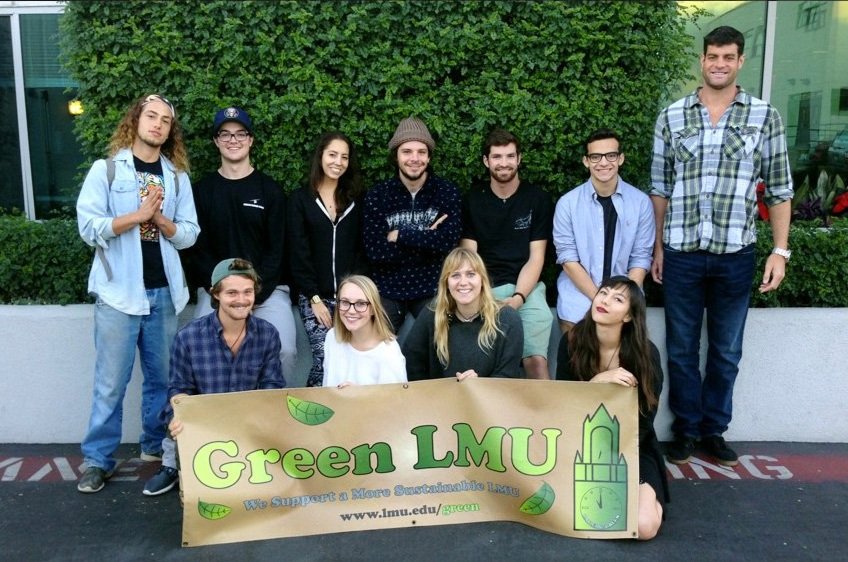
2015
Took job as brand and web designer for LMU’s sustainability department
-
![Discarded plastic water bottle with a green label lying on the ground among grass and dirt.]()
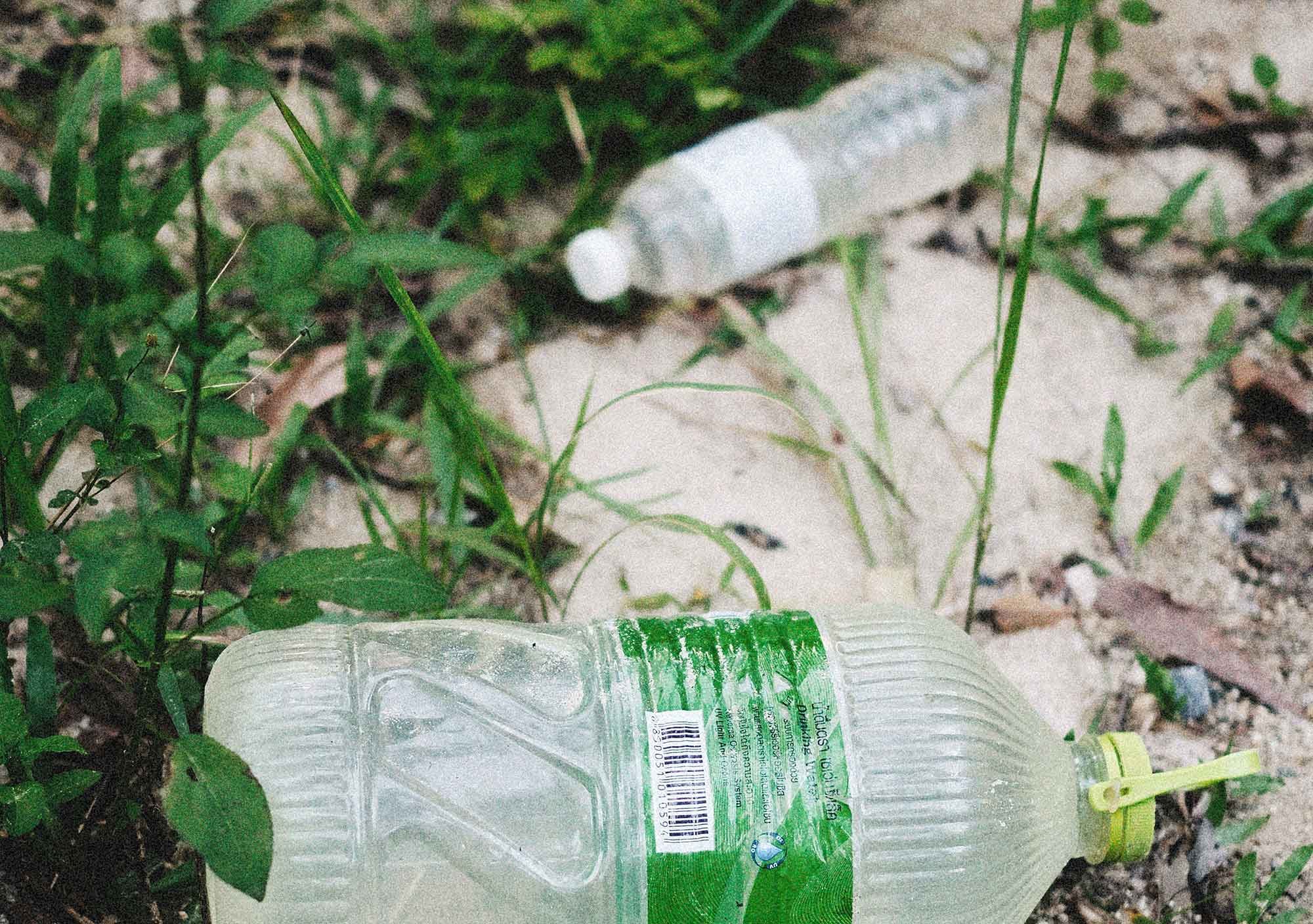
2016
Took Corporate Social Responsibility class, learned how to perform LCAs
-
![A greenhouse with large glass windows and a peaked roof, painted in shades of green and decorated with colorful panels and a small turret at the top, under a partly cloudy blue sky.]()
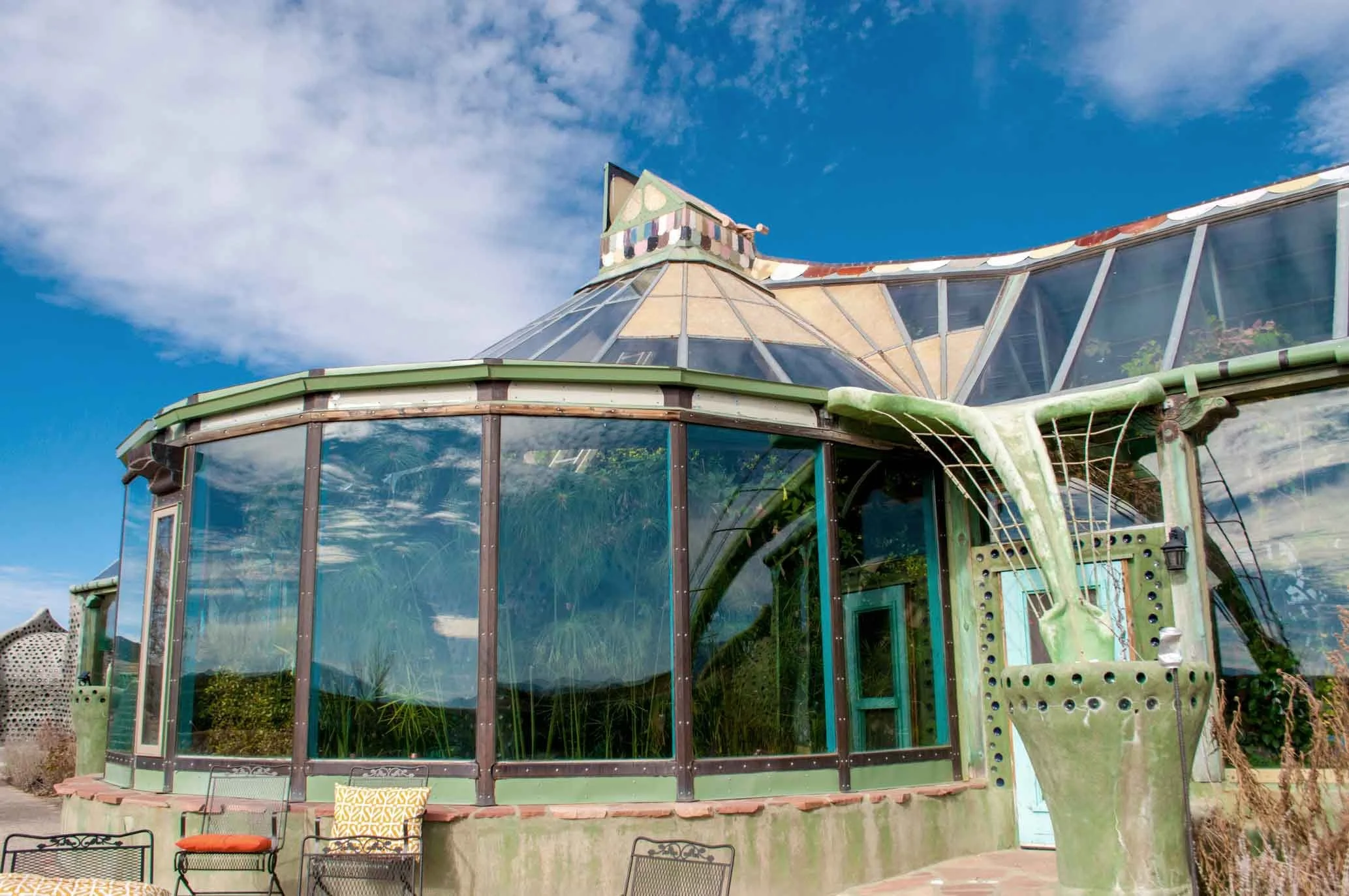
2016
Visited Earthships in New Mexico and learned about recycled buildings
-
![Adobe Pueblo-style building made of adobe bricks with blue doors and windows, surrounded by a dirt area with mountains and a partly cloudy sky in the background.]()
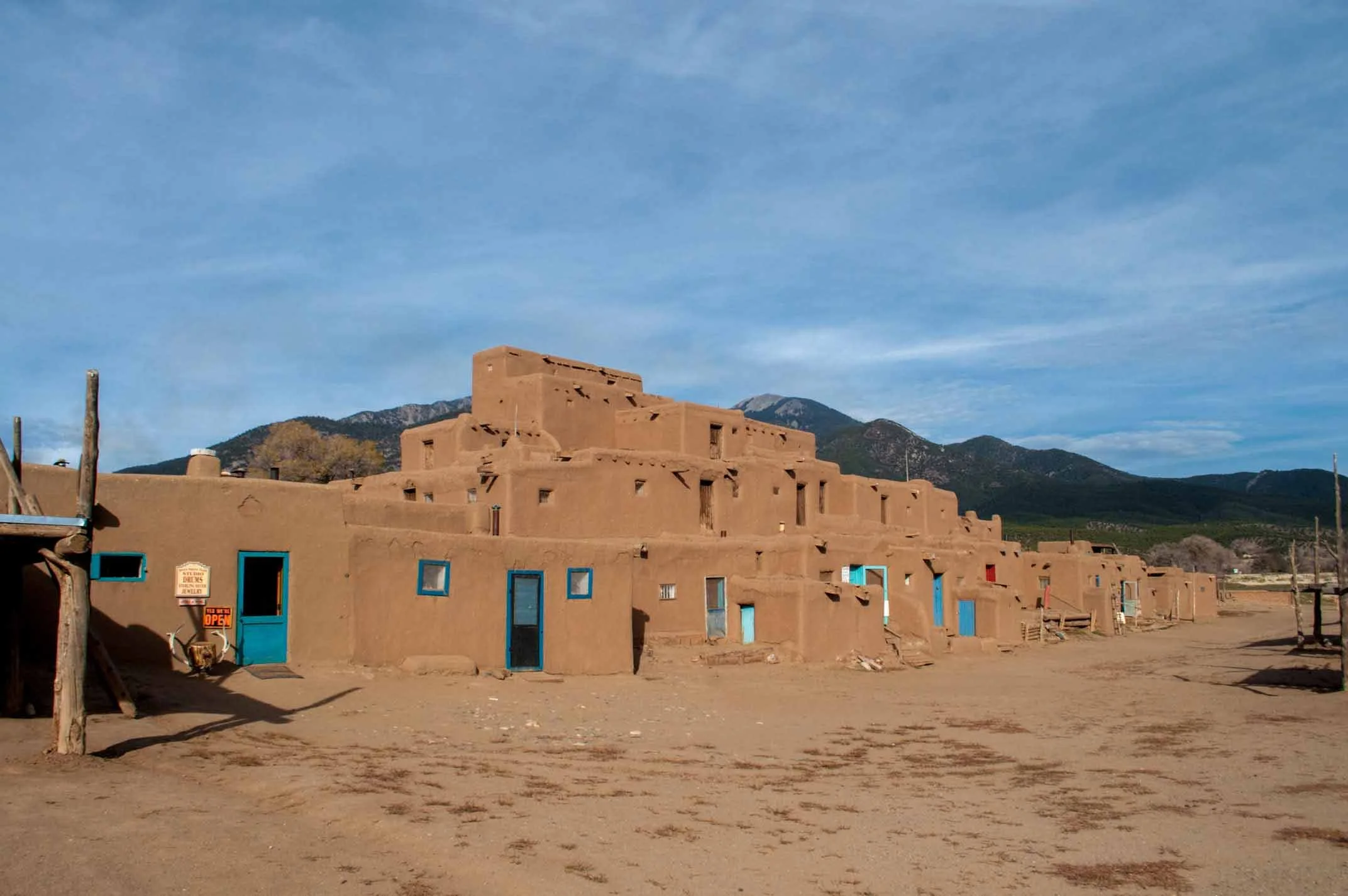
2016
Visited Taos Pueblo in New Mexico and learned about natural earthen buildings
-
![Interior view of the Getty Villa with trees partially obscuring the view of the circular building's roof, which features artwork and architectural details, seen from a courtyard with chairs and furniture.]()
2016
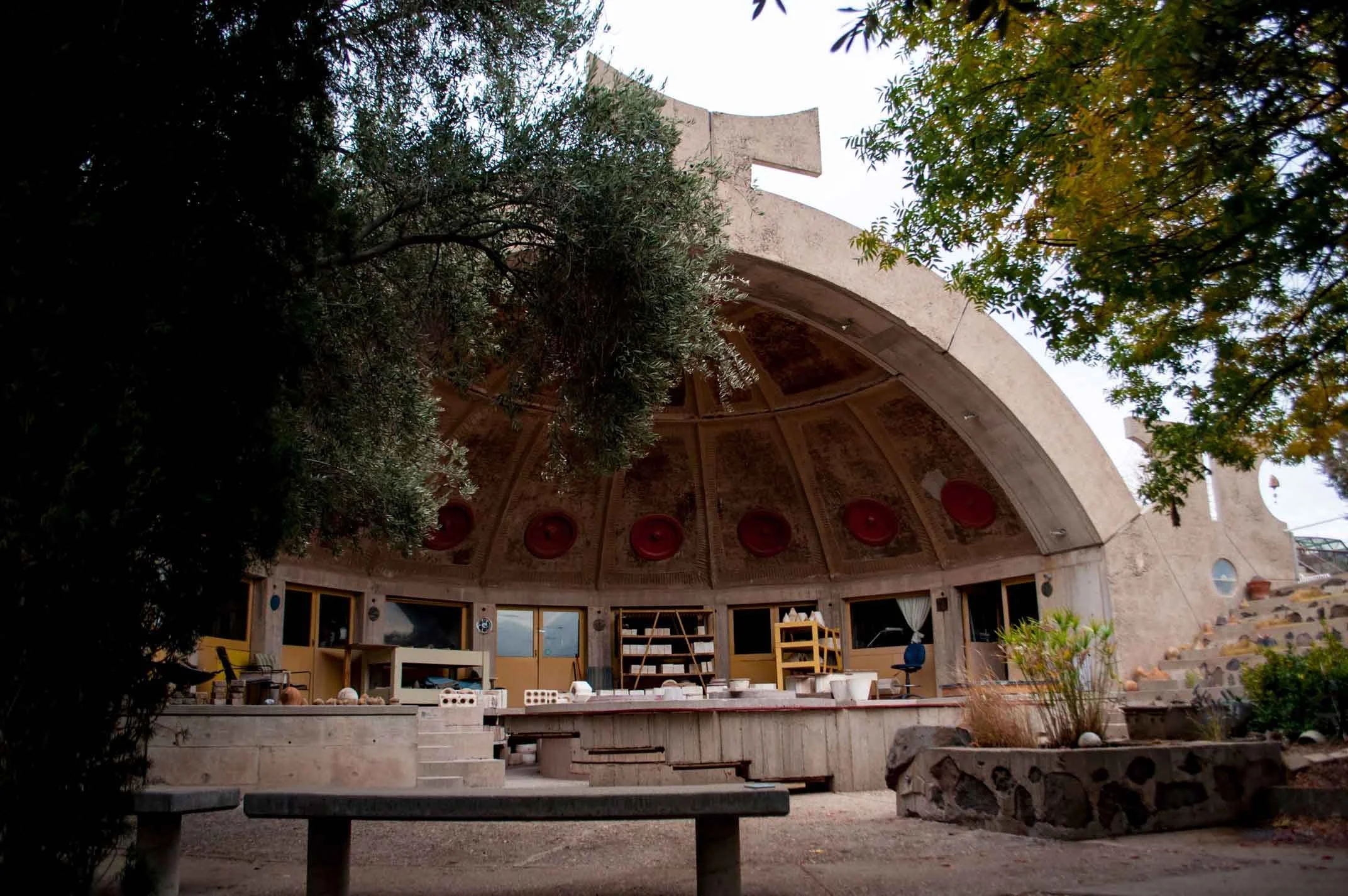
Visited Arcosanti in Arizona and learned about Agroecology
-
![Close-up of a yellow and white wall with a colorful chalk clock showing a time of 11:00 and a green hand-lettered sign that reads 'Eco-friendly'.]()
2016
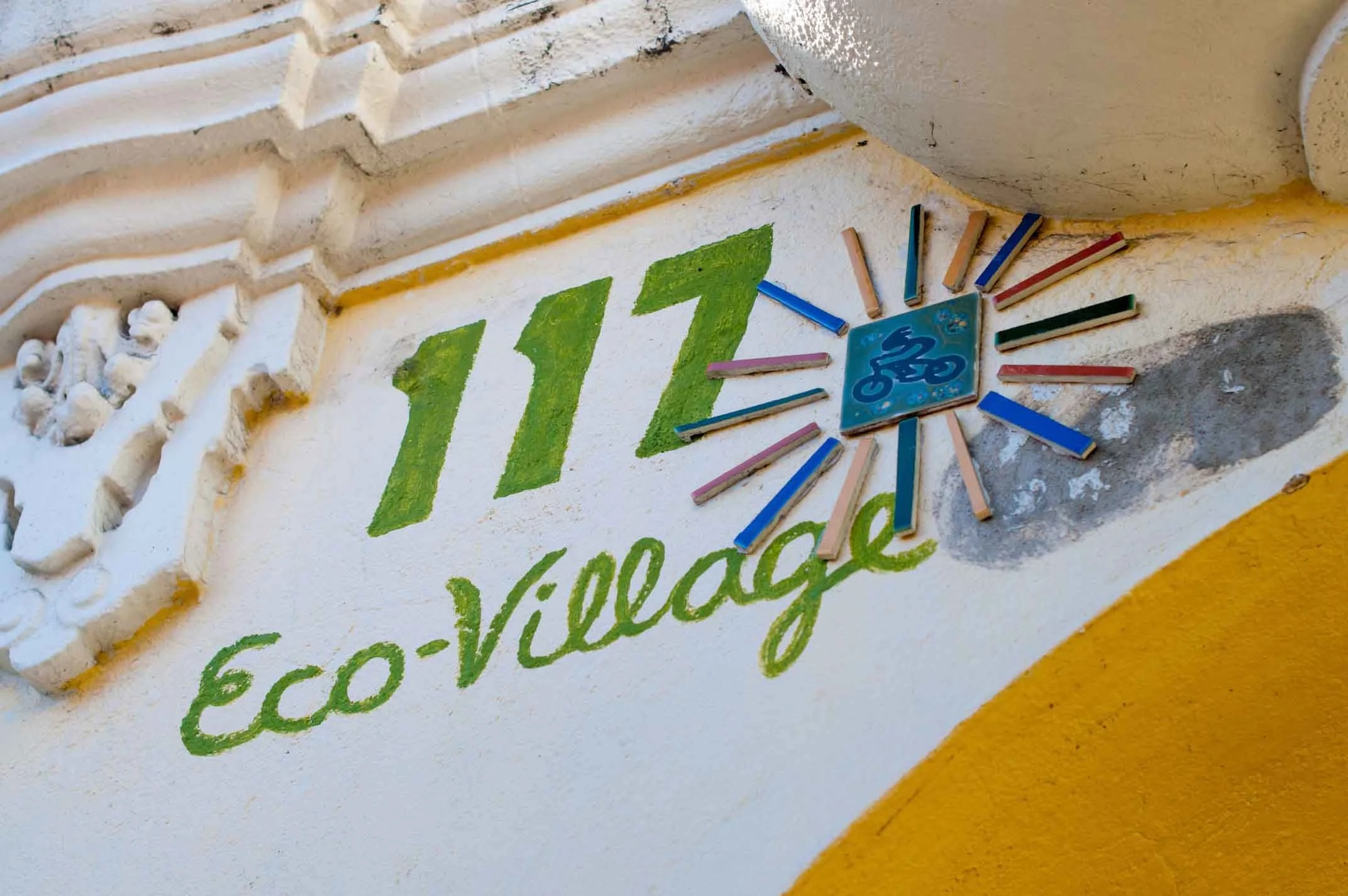
Visited Los Angeles Ecovillage and signed up for their bulk food-coop
-
![Photo of a white geometric building with a tower, seen through green tree branches against a clear blue sky.]()
2017
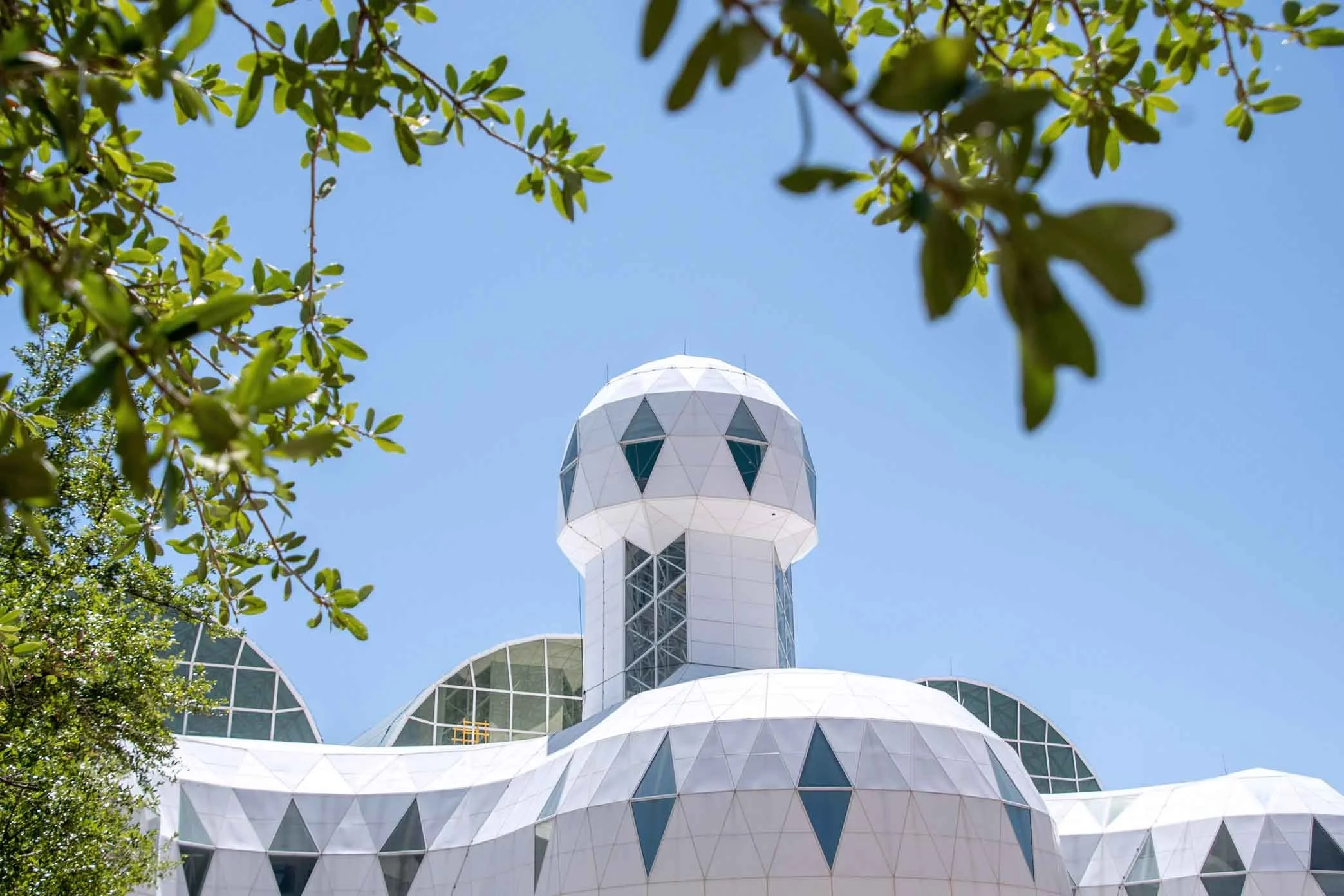
Visited Biosphere 2 and learned about climate change research
-
![Fresh tomatoes, green grapes, and avocados arranged on a rustic wooden surface with green leafy background.]()
2017
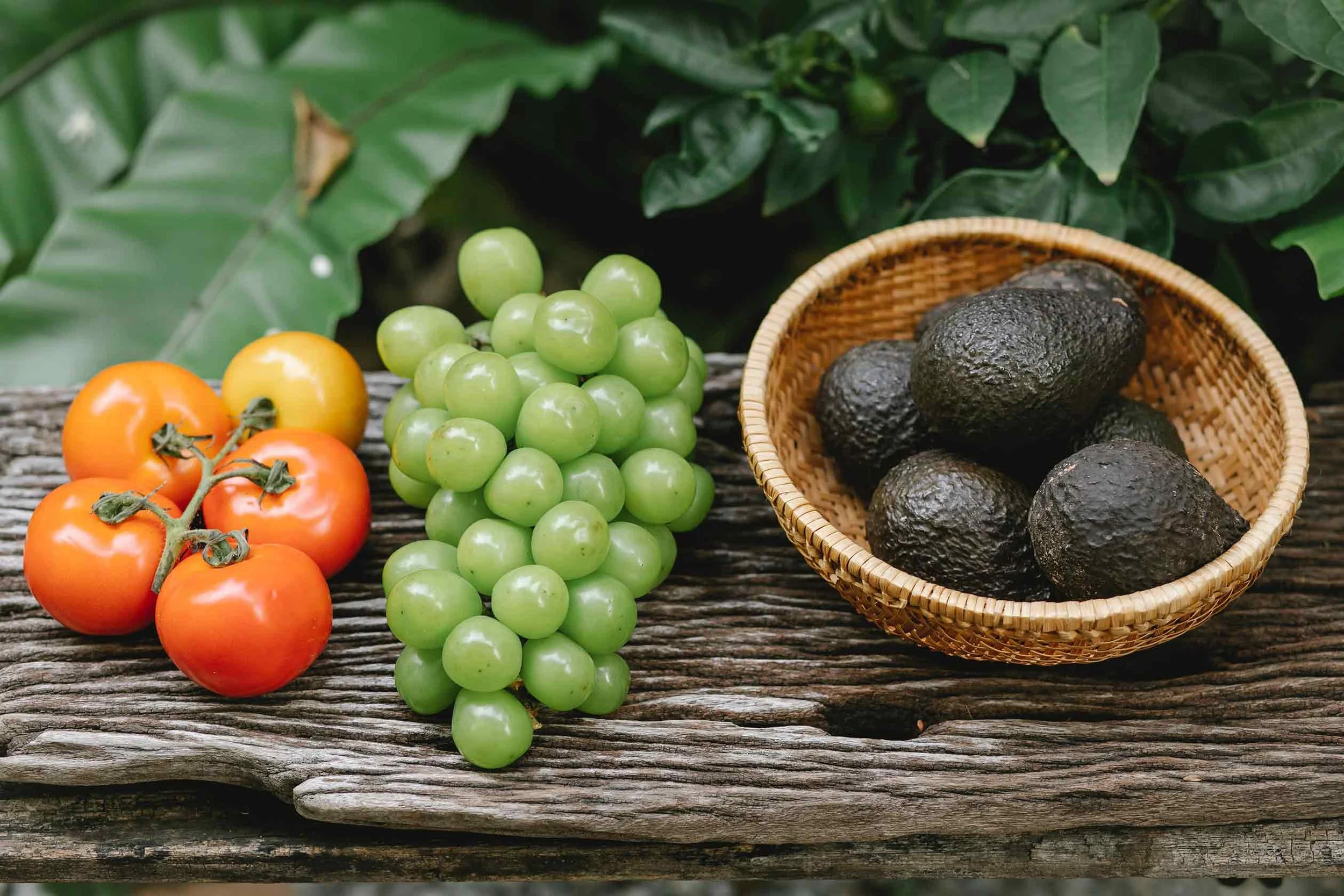
Switched to a plant-based, whole-foods, organic diet for health and environmental reasons
-
![A row of glass jars filled with various dried herbs, spices, and seeds, with a small sprig of basil or similar plant in a glass jar at the center.]()
2017
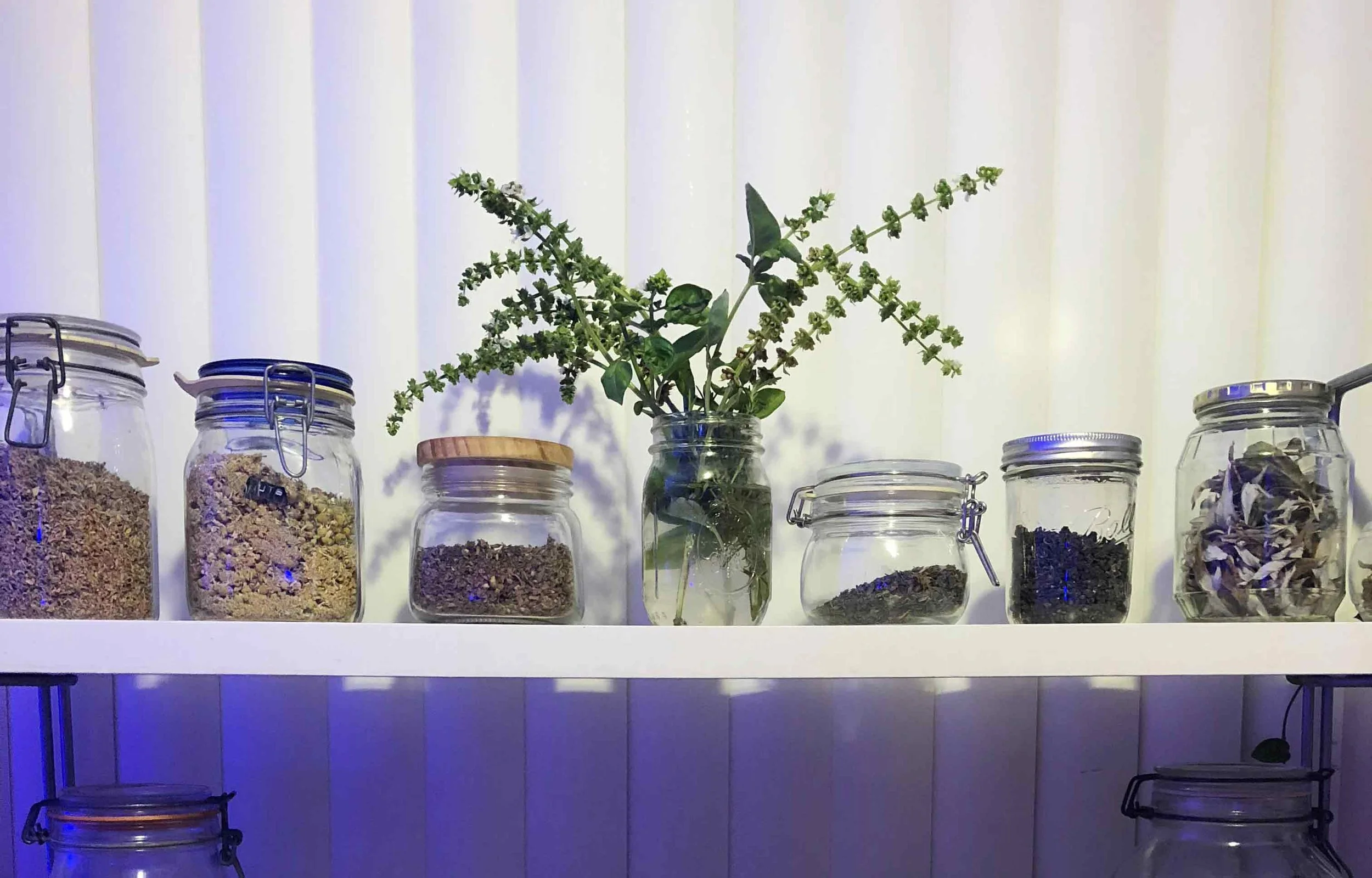
Adopted minimalism by using Marie Kondo’s book “The Life-Changing Magic of Tidying Up”
-
![Group of four young adults posing and smiling at a semi-outdoor setting in the evening.]()
2017
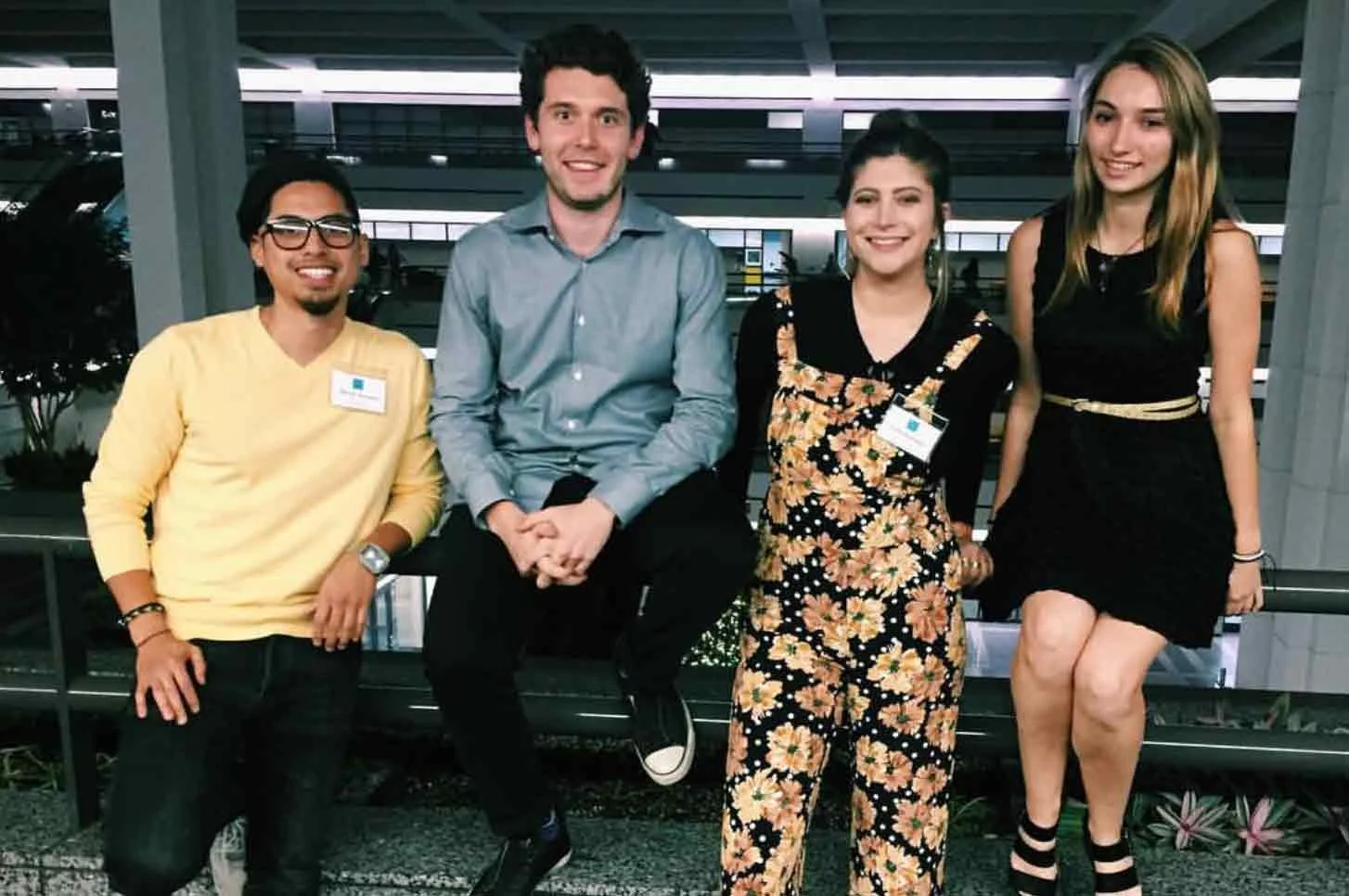
As an alumni, mentored the winning team of college-students for their food waste reduction marketing competition
-
![A shopping cart filled with various fruits and vegetables including watermelons, bananas, oranges, apples, a red onion, garlic, a white onion, tomatoes, a sweet potato, a jar of pickles, a package of what appears to be honey, and some produce wrapped in cloth bags.]()
2017
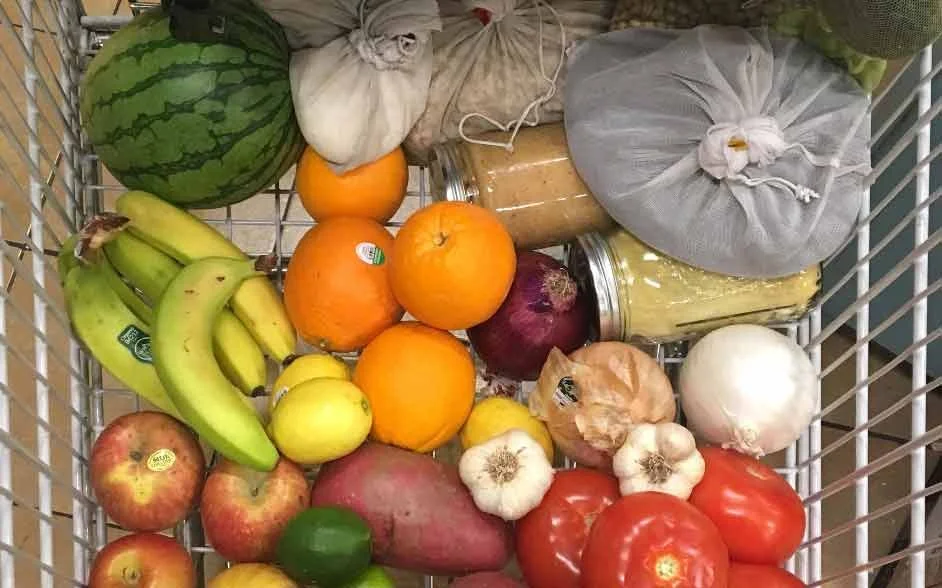
Transitioned to a zero waste lifestyle and made 5 gallons of trash in one year
-
![Open magazine spread featuring a woman with long blonde hair, wearing yellow glasses, dark lipstick, and a colorful, rainbow-patterned top with a large circular accessory and beaded necklace, standing in front of purple flowers.]()
2018
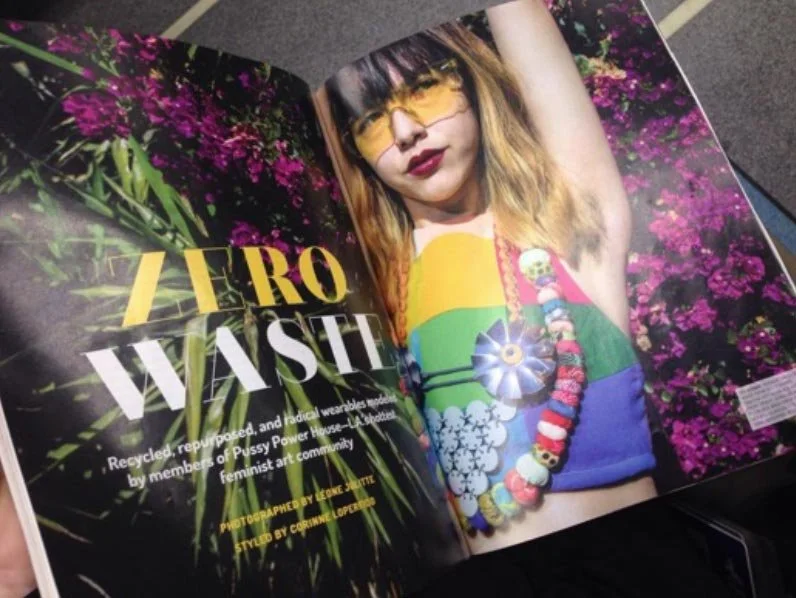
Zero waste fashion editorial published in BUST magazine, centerfold model
-
![A collection of eco-friendly household items on a white surface, including spray bottles labeled shampoo and conditioner, a plant in a black pot, a jar, brushes, a bar of soap, and reusable cloth wipes with a blue and orange dotted pattern.]()
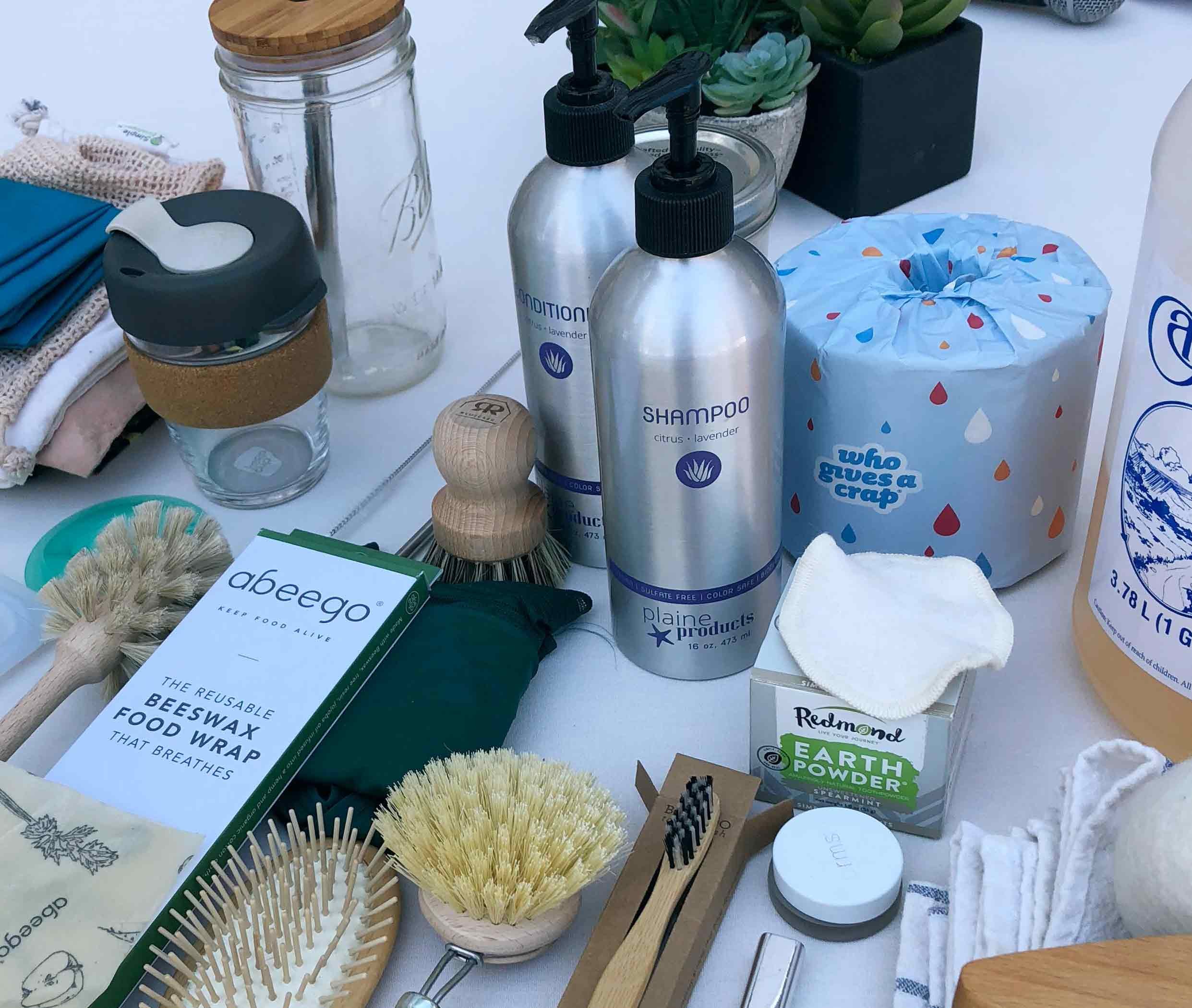
2018
Became a sustainability ambassador for corporate job and designed LA zero waste resource guide
-
![A woman performing a stand-up comedy routine on an outdoor rooftop terrace, with an audience seated at tables and a large mural of a man in sunglasses in the background.]()
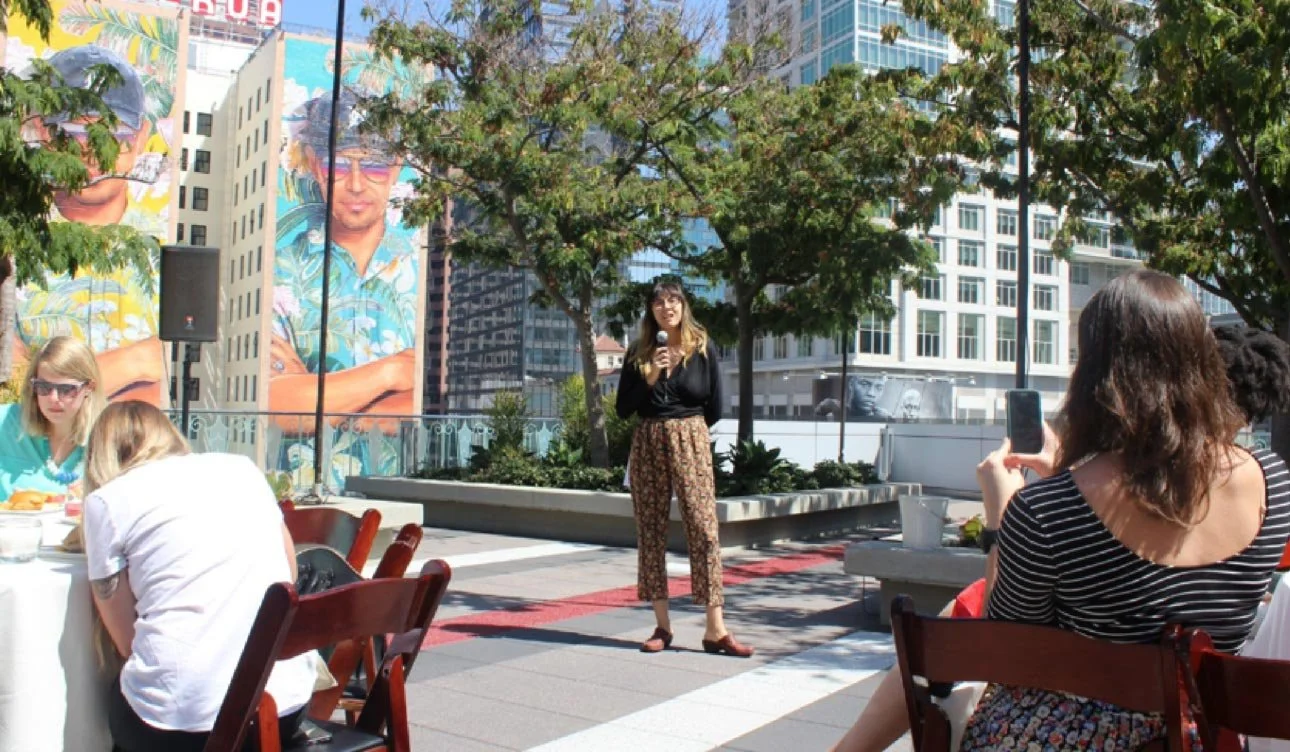
2018
Organized a zero waste educational luncheon at The Grammy Museum and gave presentation
-
![A greenhouse outdoors with a white plastic cover, surrounded by green trees and plants. The sky is blue with scattered white clouds.]()
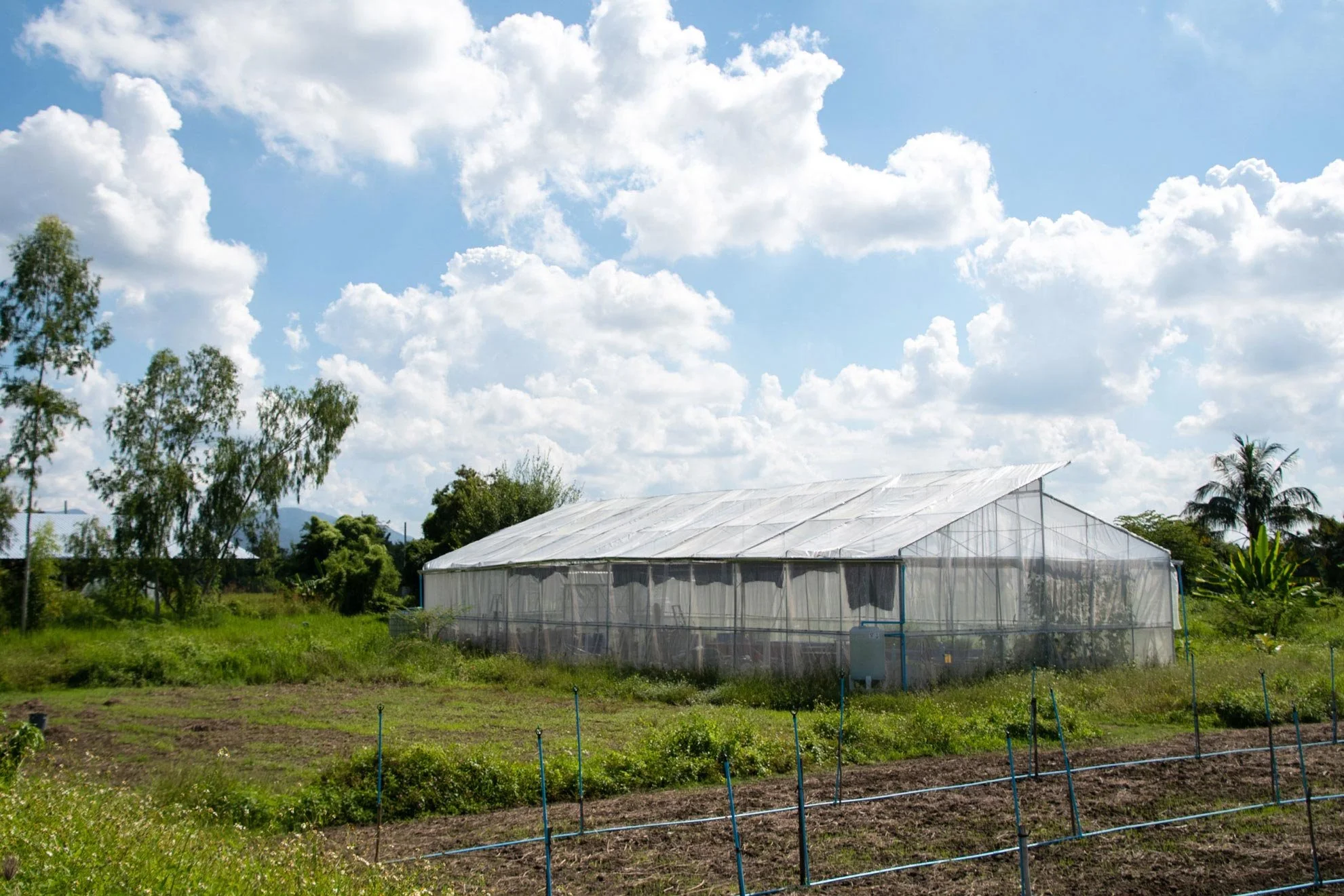
2018
Visited Permaculture Children’s House in Chiang Mai and learned about Permaculture Principles, designed volunteer manual
-
![A building made of stacked shipping containers, including a green one with large windows and a partial sign that reads 'A SH.' The location is shaded by trees with green leaves, and there is a grassy area in front.]()
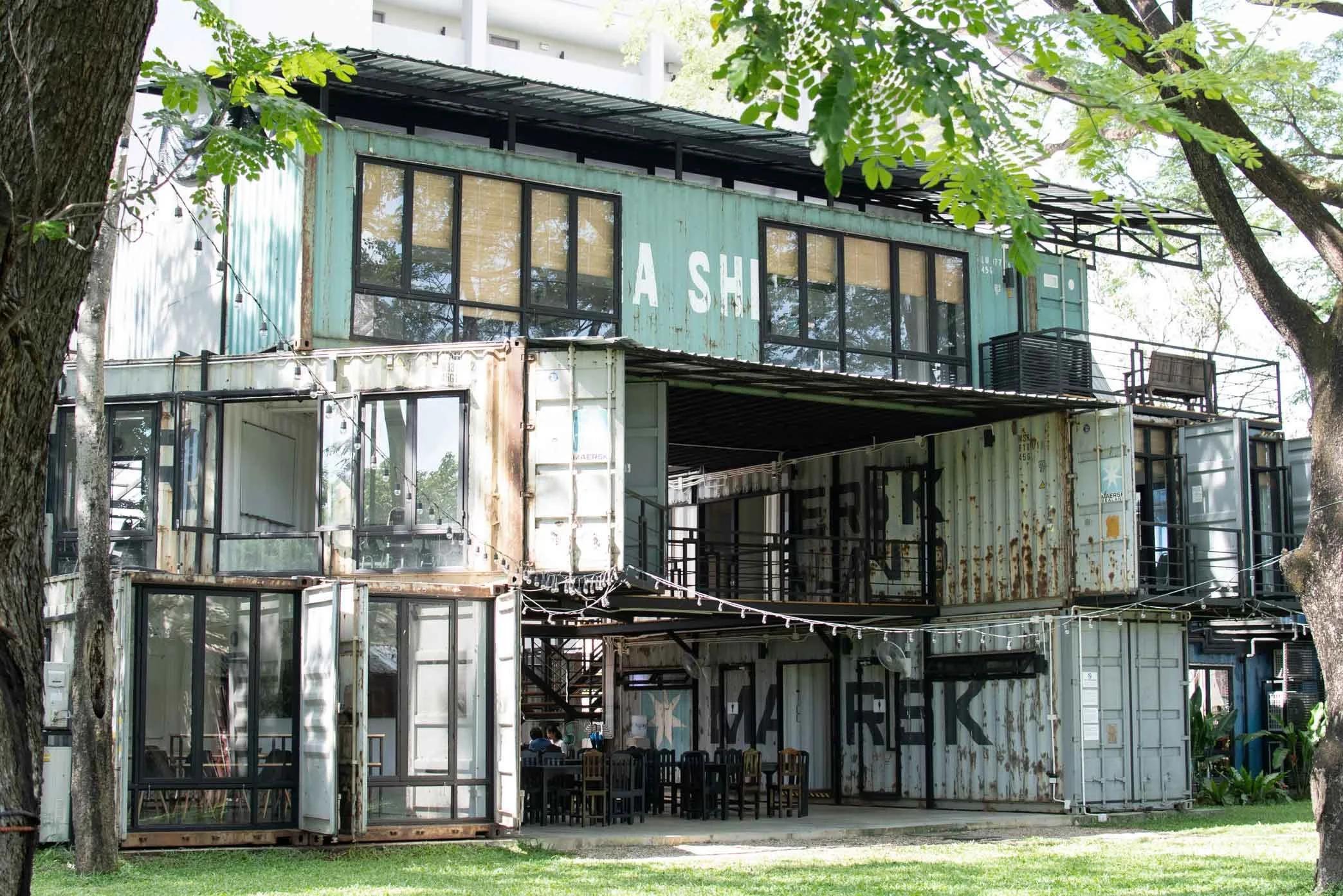
2018
Visited ISDSI in Chiang Mai and learned about Shipping Container buildings
-
![Outdoor rustic bathroom with two stone sinks, one with a soap dish, surrounded by green plants, bamboo, and wooden window frames, under a canopy of trees.]()
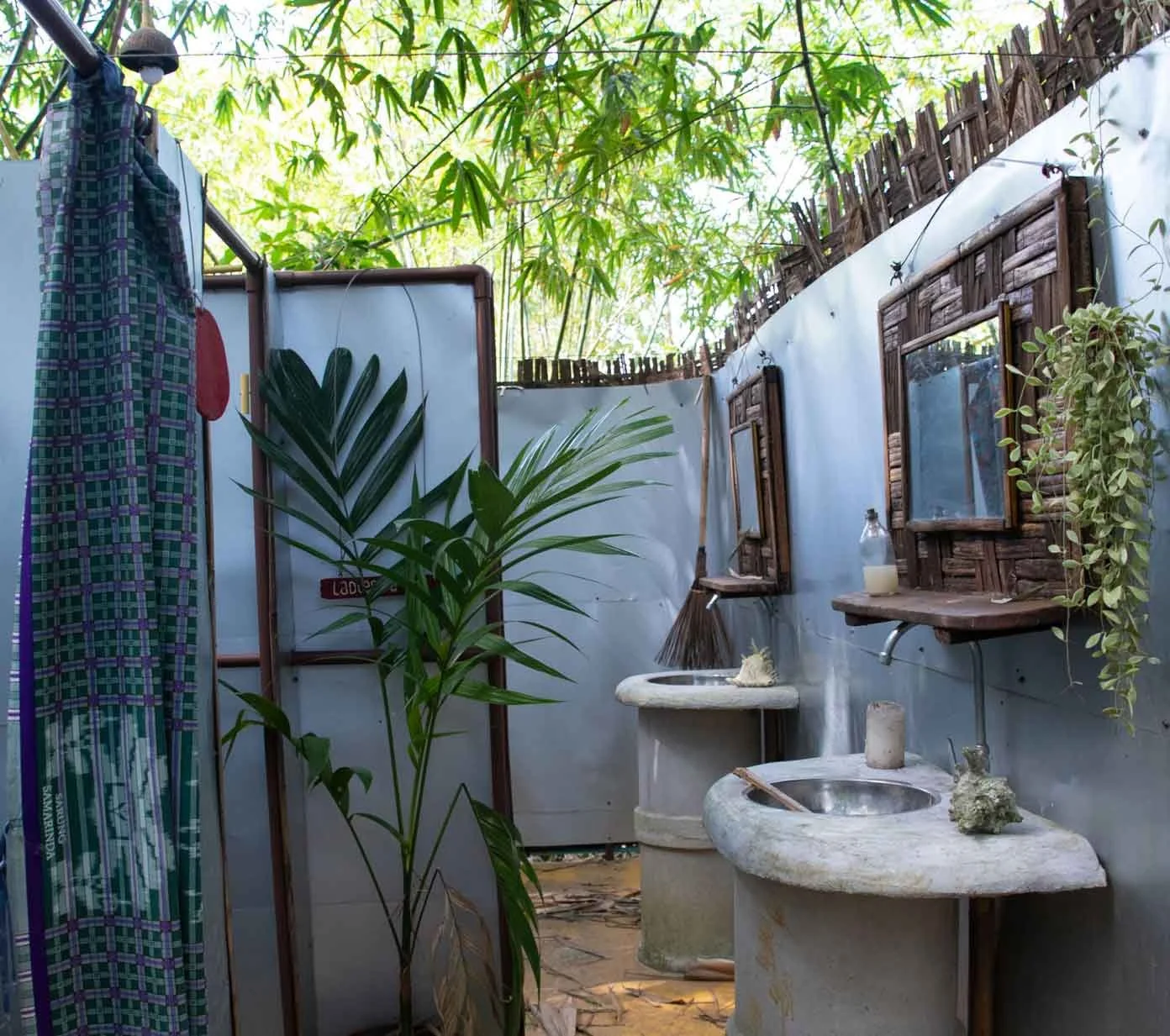
2018
Visited Asalanta on Koh Lanta and learned about building with bamboo
-
![A woman with glasses and long hair standing in an office cubicle, smiling at the camera. The workspace has cluttered papers, a yellow container, a potted plant, and framed artwork on the walls, with decorative green leaves and a large red Asian fan on the wall.]()
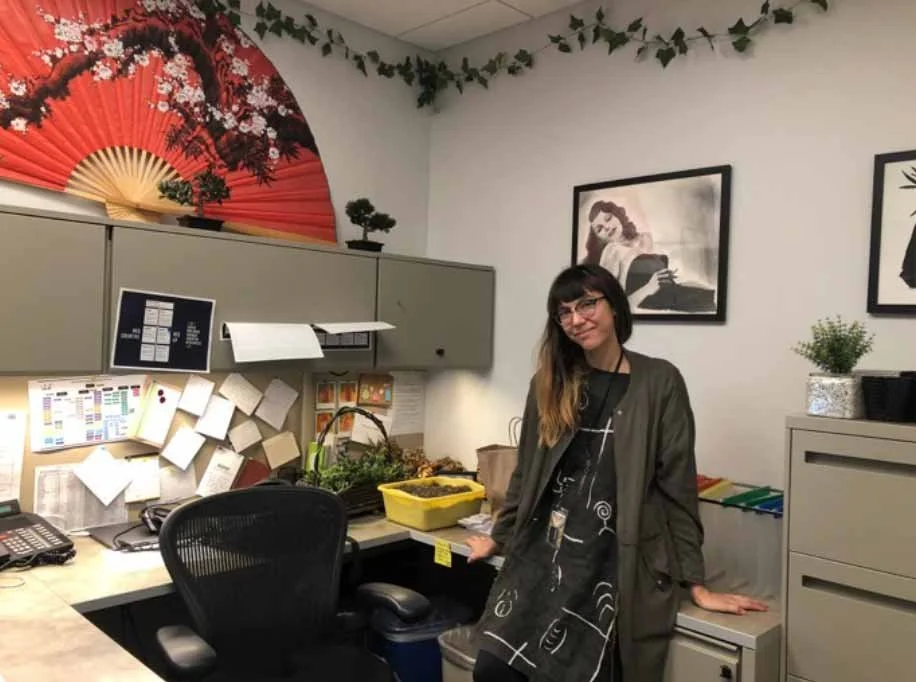
2019
Left corporate job and began living in community by work-trading in South Pasadena
-
![Hand-drawn diagram of concentric circles illustrating factors affecting home comfort, including water, fire, noise, wind, and weather. Each circle lists related considerations such as pollution, neighbors, and sunshine. Color-coded with annotations and small sketches.]()
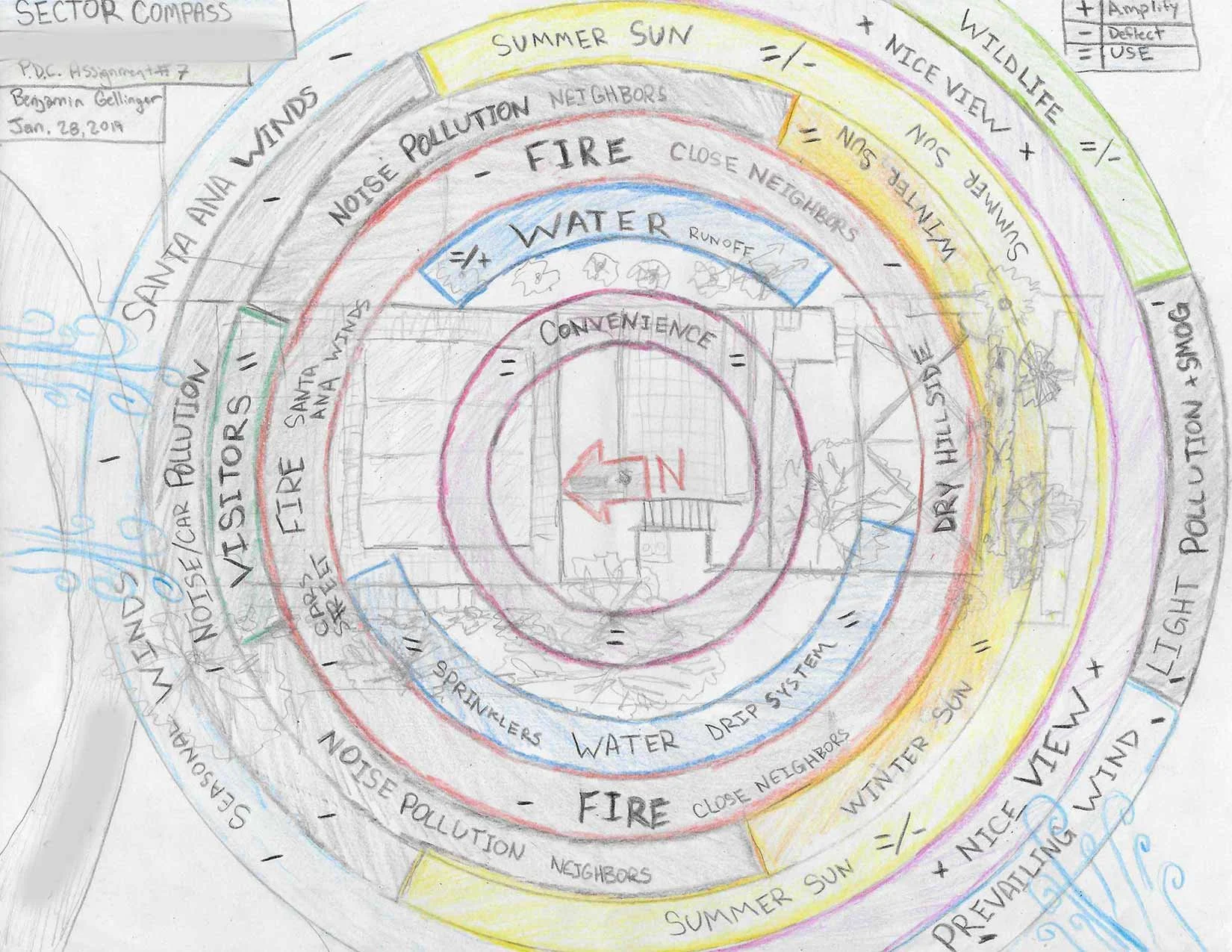
2019
Partner completes 10-week long Permaculture Design Course from Oregon State University and designs for South Pasadena home
-
![A person with long hair tied back, squatting in a garden, gardening in the soil, surrounded by green plants and trees, with a wooden fence and a chain-link fence in the background.]()
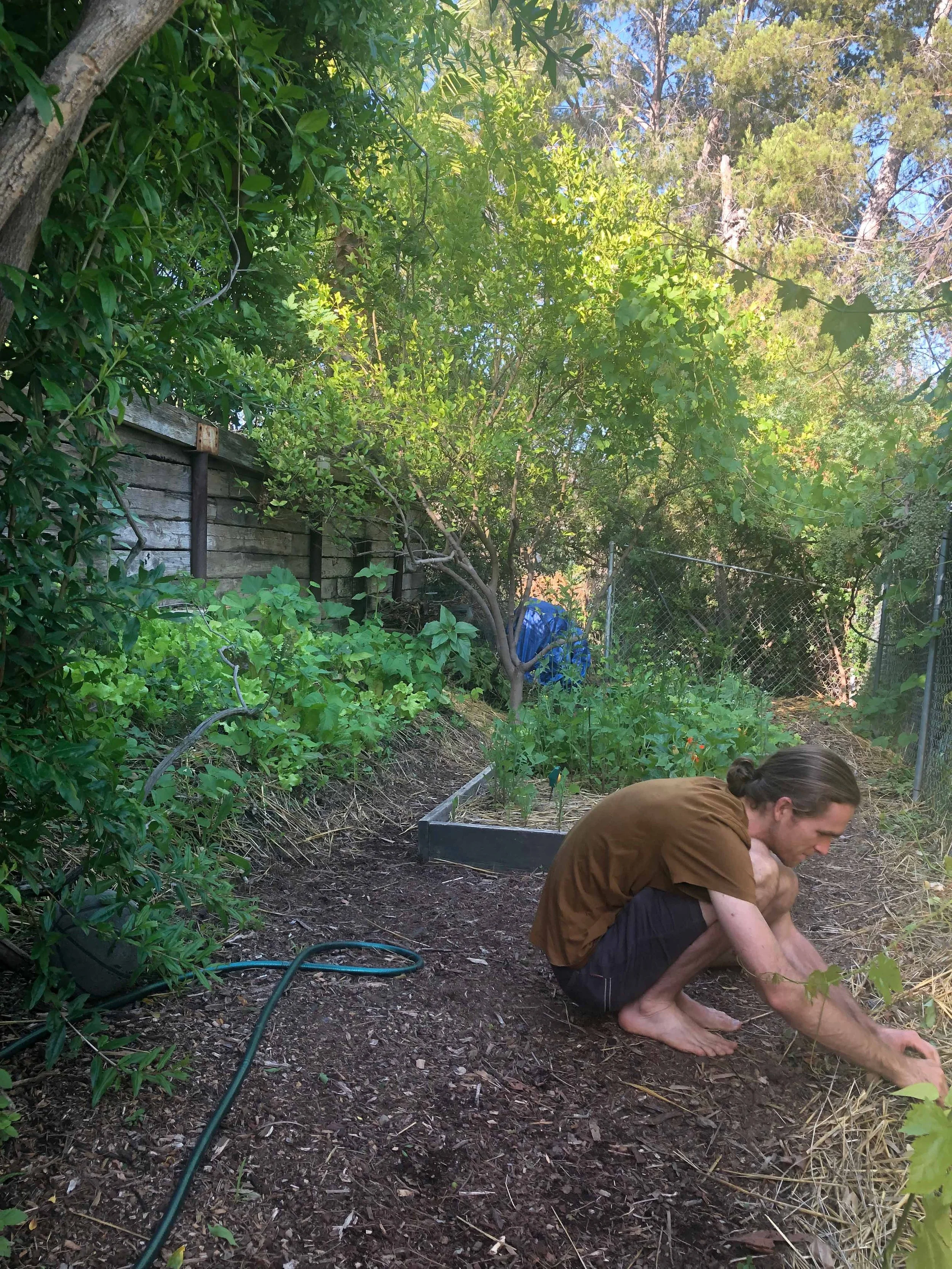
2019
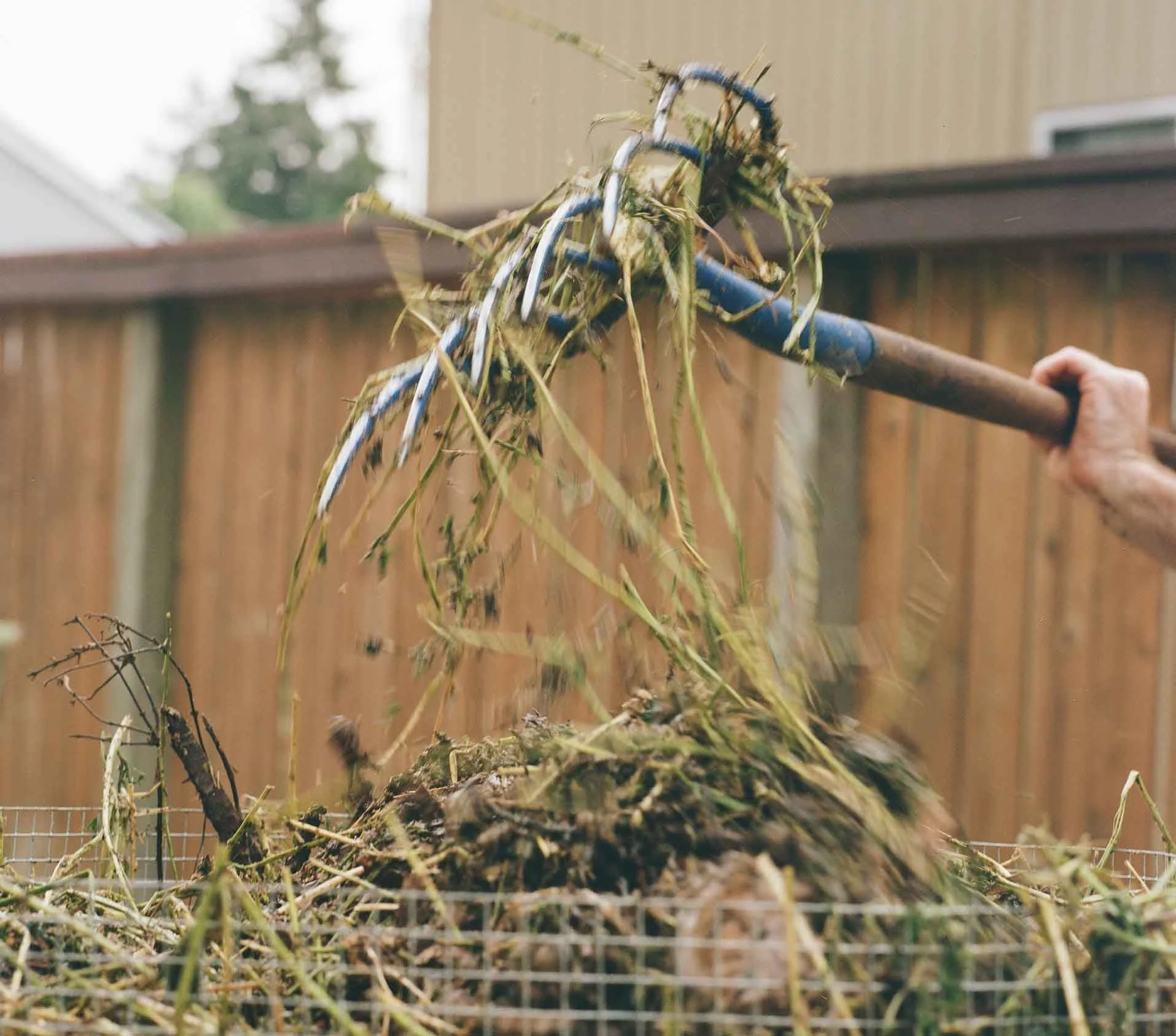
Implemented composting systems in communal household for 3 families (10 people) and planted first garden, yielding beautiful produce
-
![A group of people gathered around a stainless steel table, engaged in a discussion or presentation inside a room with beige walls. Some individuals are seated, while others stand, including a woman with a straw hat and a man with white hair. On the table are notebooks, a plastic bottle with an amber-colored liquid, and office supplies. The background features shelves, a water dispenser, and a window.]()
2019
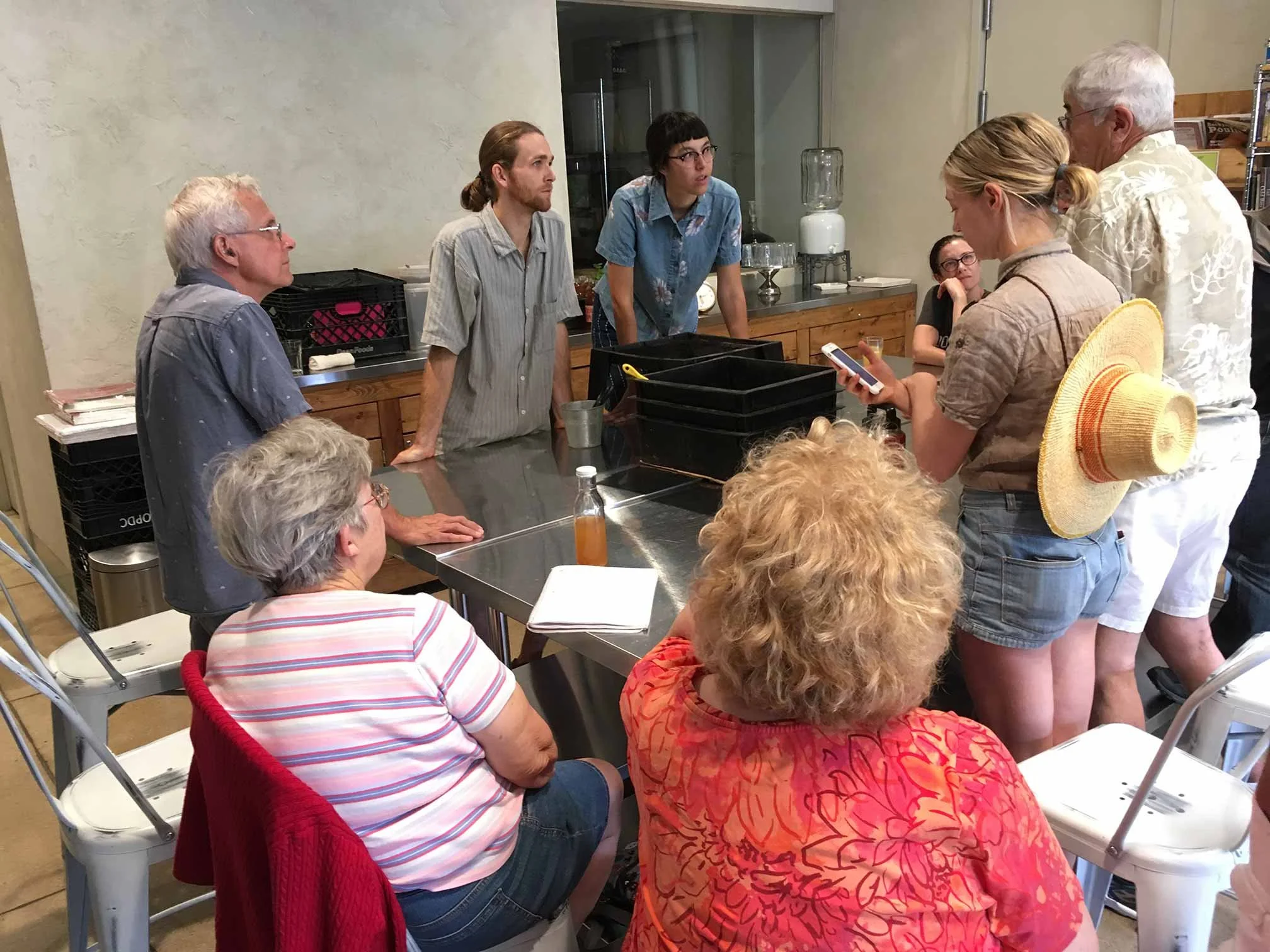
Taught two workshops on vermicomposting and started worm tea deliveries in Los Angeles
-
![A house with a unique, organic shape, yellowish exterior walls, and small windows surrounded by lush green trees.]()
2020
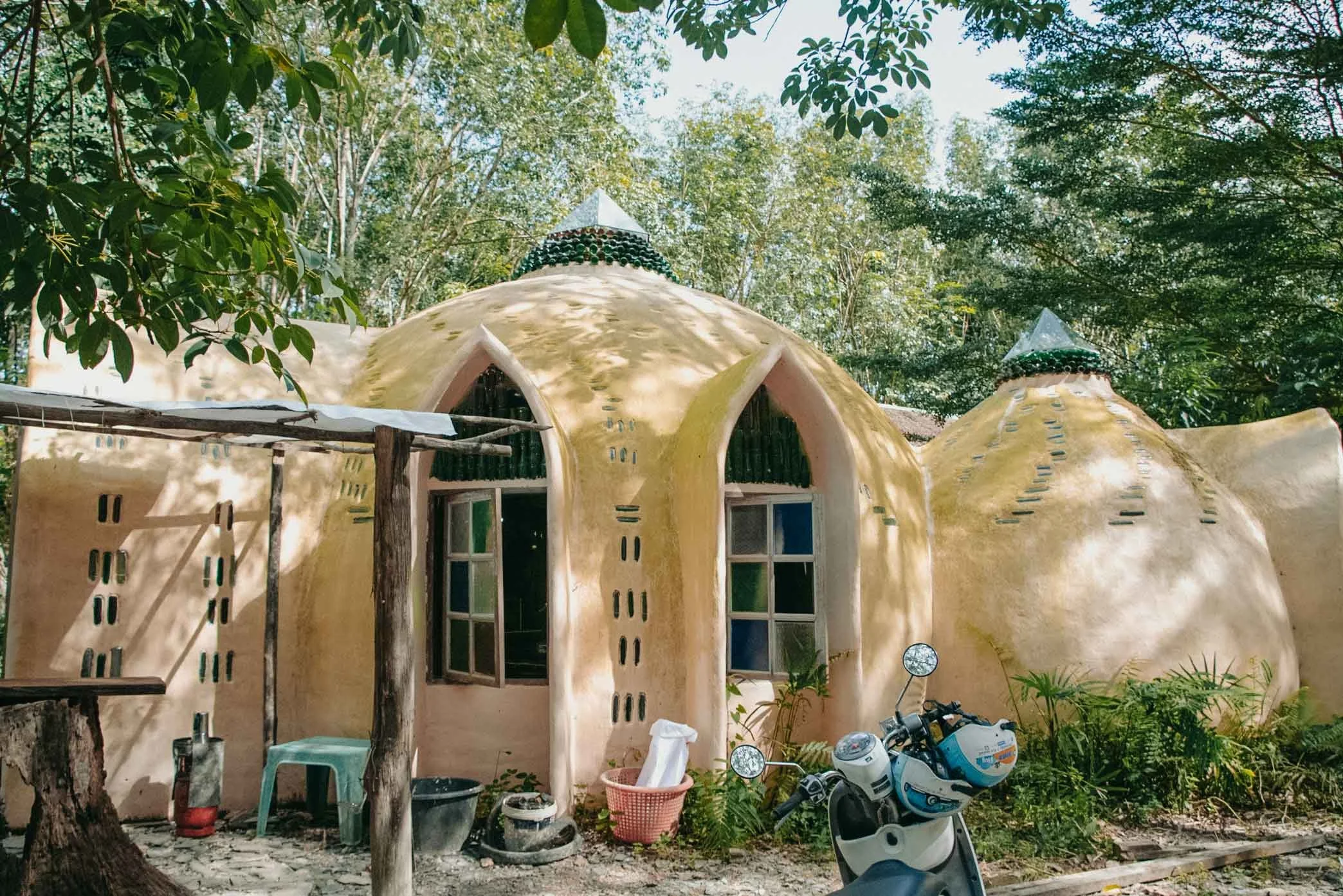
Joined the Foundation for Intentional Community as a Marketing Specialist and conducted focus groups with five different segments of people interested in intentional community
-
![A person using a blue trash picker to remove weeds from a garden bed with a wire fence and wooden fence in the background.]()
2020
Joined Cedar Bloom Farm and learned even more about communal living, composting, gardening, and sustainable systems
-
![Close-up of green leafy lettuce plants in a garden with a blurred background]()
2021
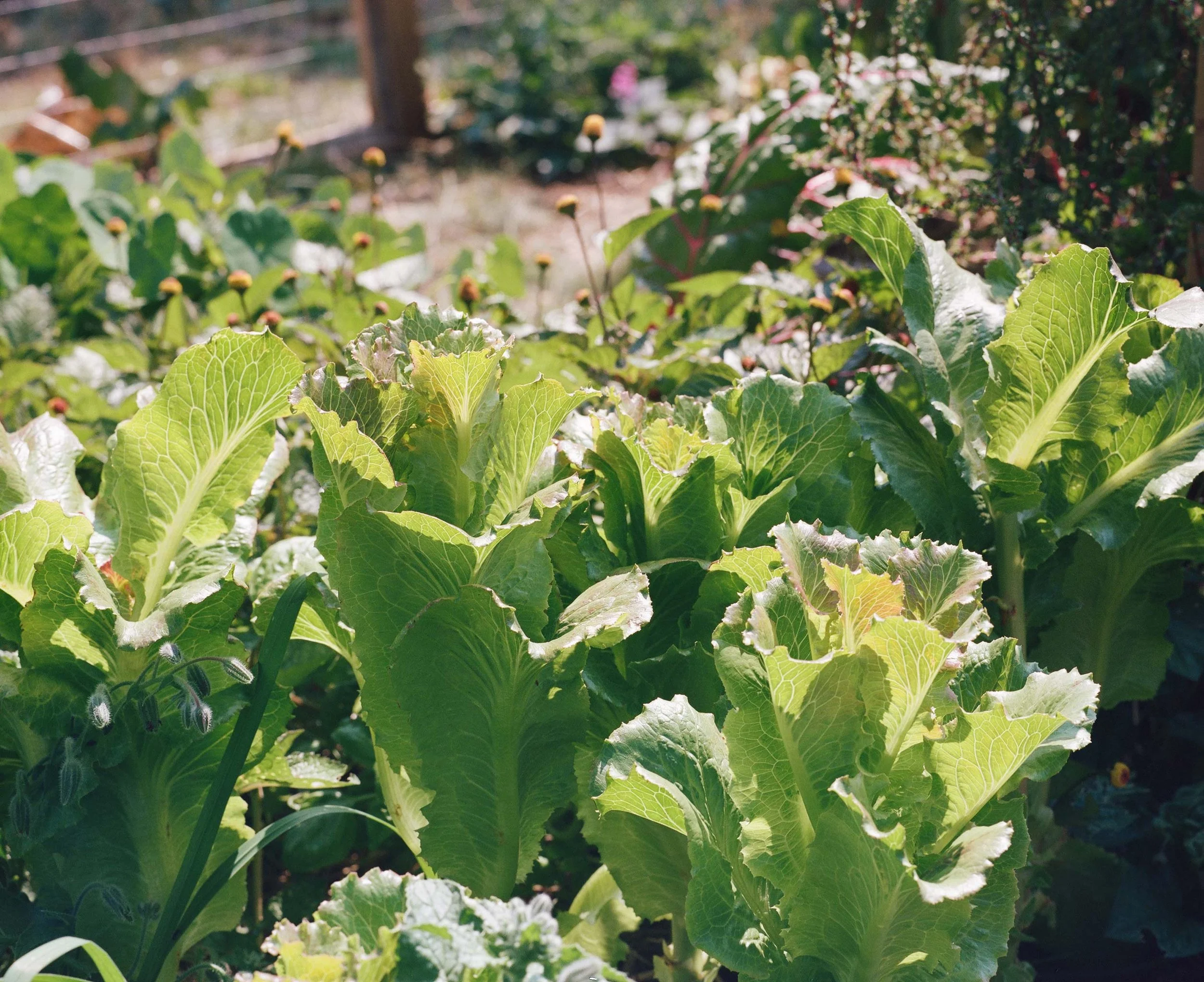
Built our second garden along with the help of our community, which grew an abundance of produce and fed a rotating worktrade team of 10 for many meals throughout the summer
-
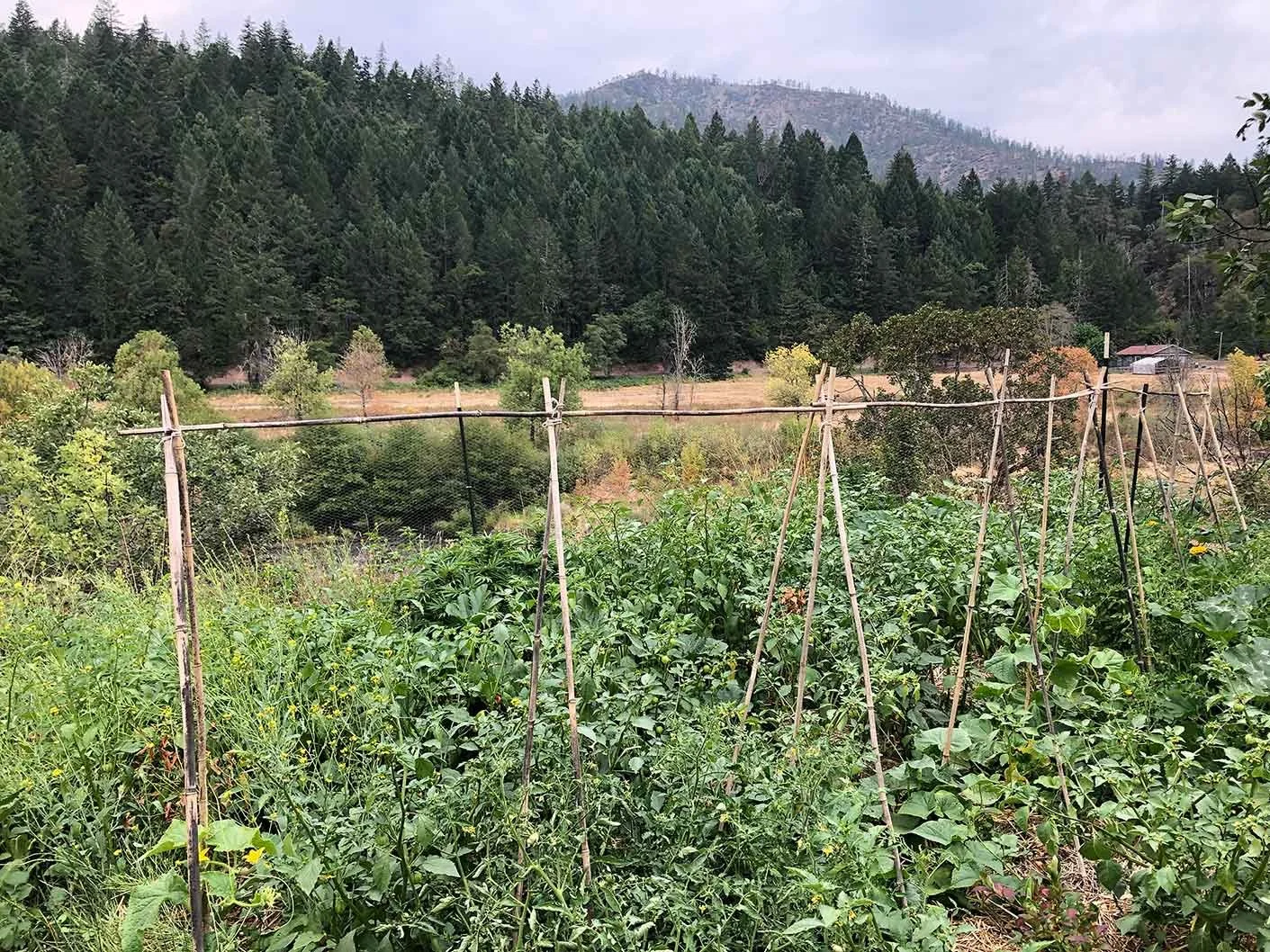
![A lush vegetable garden with plants supported by bamboo and twine, set in a rural landscape with a forested mountain in the background.]()
2022
Built our third garden, a communal garden, at Cedar Bloom Farm - which grew a variety produce and flowers throughout the summer