How to Craft a Trustworthy Website

I'm not gonna lie - I've been a little bummed in the last day or two.
I was all ready to launch a super special offer I've been crafting for the last 6 months. And because this is one of my first offers I'm truly ‘launching’, I decided to invest in a ‘launch workshop’ to learn from the best.
And I was jazzed because the woman I purchased the workshop from decided to do a Bonus Call a few days ago, which totally lined up with the launch I was planning. On top of that, I really look up to this woman - I mean, she worked on the corporate side of things doing marketing for festivals like Coachella (just like me!), and now has scaled her design business to $400k in 3 years (not me lol), and she's the breadwinner for her lil' family (which is low key high key a dream of mine). PLUS it's challenging to get one-on-one support with her because she's so ‘successful’.
So fast forward to the Bonus Call … I'm on Zoom and I hear her call my name.
She says “Nenah, I saw you submitted a question about your launch, I'd be happy to help you with that - let's walk through your launch together now”.
So I start beaming with excitement! Thinking ‘YAYYYYY I’m finally gonna get my moment with this mentor who I totally look up to! I'm gonna get special one-on-one support!'
And so I walk her through my launch and my ideas. And she basically said:
I didn't do things in the order she recommended in her course, so I already was off to a rocky start
I didn't do enough work to ‘warm up’ my audience and so it's unlikely that I'm even going to get one sale since usually only 3% of a waitlist will purchase.
I didn't finish my sales materials in time and so I should probably push back my launch a whole month to properly prepare
So there, I was so excited to connect with this woman for the first time face-to-face, totally admiring her, and I’m basically hearing that my launch is going to fail.
So I spent the last couple days feeling like an imposter and doubting myself and just kinda in all sorts of stickies.
And then finally, I got over it and decided to take my power back.
See - I remembered that I was in the middle of writing a post about trust, and while I'm soon going to tell you about all the things you can do so your clients and customers will trust you more - the first thing I'm going to talk about is:




How to Trust Yourself
—
STEP ONE: If you are a Visionary, hold your Vision. Remember how amazing you are for deciding to take the leap into entrepreneurship in the first place. Don't get discouraged if other people can't see what you can see. I literally have visions of things all the time - sometimes things that can't be put into words. Repeat to yourself “I am patient and unwavering while manifesting.”
STEP TWO: When you are Talented, trust your Skills. Other people might tell you that you need a month to create a sales page, when you know deep down that's gonna take you all of about 3 days. My friend just sent me a meme, and I'm gonna share the sentiments here: “One of the most subtle forms of self-sabotage is downplaying your gifts or taking them for granted just because they feel natural or come easy to you”. Don't downplay. Trust.
STEP THREE: When you are Awake, call in your Power. Every lightbeam dips back down into density every once in awhile, but eventually you gotta pull yourself up out of that again and remind yourself “I'm a multidimensional being that lives in the quantum realm where ANY and ALL possibilities are open to me, regardless of the odds. I know that the universe lines things up for me in perfect order and timing. My success is inevitable.”
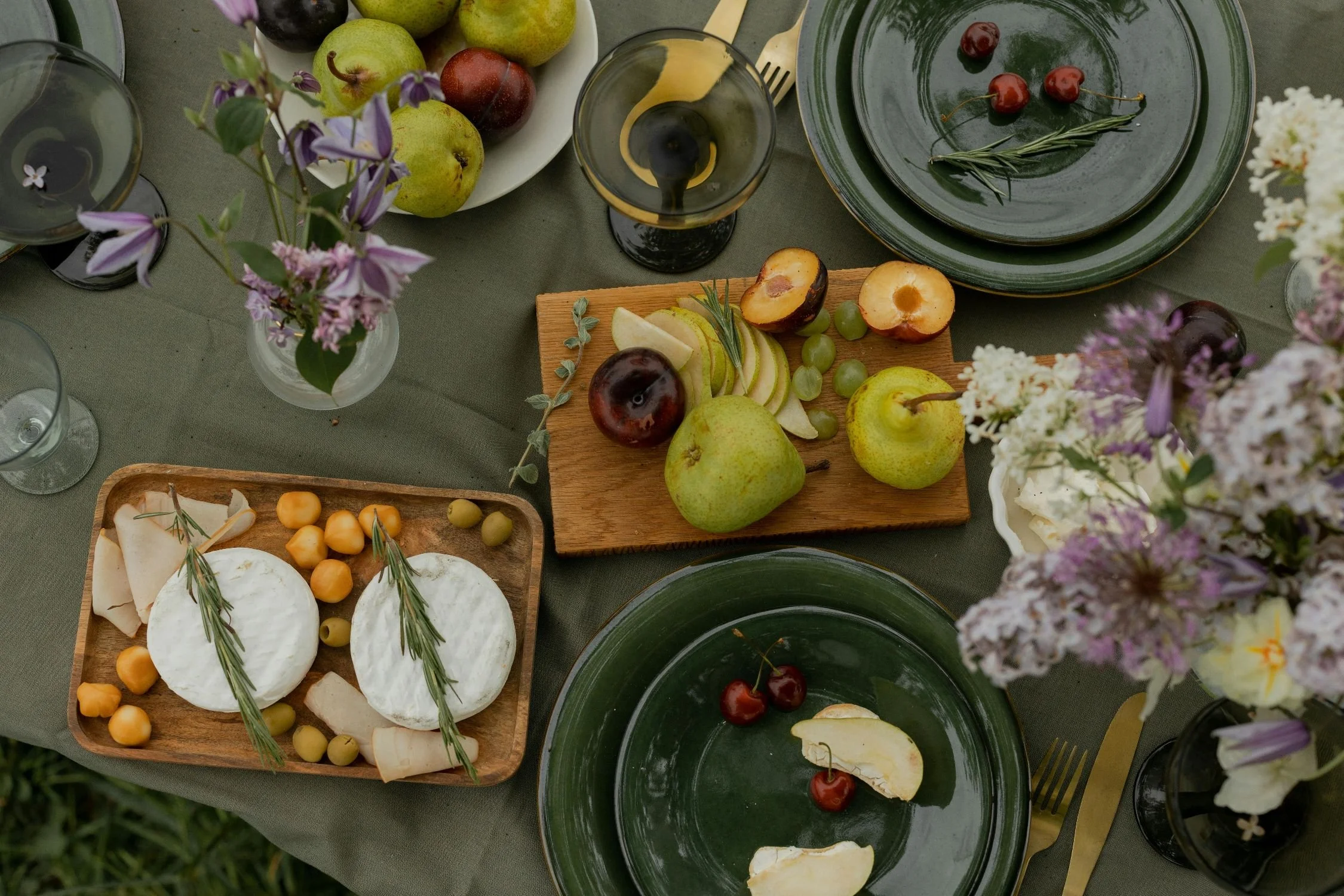
At its core, every relationship in our lives comes down to trust.
—
So when starting or growing a business, we should reflect and focus on this topic often. Fundamentally, we can break down trust into 4 things*:
*From The Thin Book of Trust: An Essential Primer for Building Trust
( 01 ) CARE: You may have known someone who listened to you as if you were the only person in the world, who gave you his or her complete attention when you spoke. If you can be this kind of listener for others, they will trust that you care.
( 02 ) SINCERITY: Before you relate a fact, do what you can to make sure it is accurate. It is usually better to preface a statement with “I'm not completely sure about this, but here's what I think…” than to try to sound sure about something you're not.
( 03 ) RELIABILITY: When you make offers to people, be clear about what it is you will do and possibly what it is you won't do, as well. Remember, when they accept your offer it will become a commitment in their minds.
( 04 ) COMPETENCE: Make a list to clarify to yourself and others the areas you claim competence in. Cultivating trust in your competence doesn't mean you have to be fully competent from the get-go. Ask for feedback from others about your performance.
Now, let's bring all that into website design…

12 things you can do to make your website feel more trustworthy
Use quality, authentic images. Favor website visuals that were actually taken of you or by you, or photos that represent your ideal customer. High quality images without pixelation help to build trust. (a lot) Maybe even consider hiring a photographer?
Keep your site up to date. Clear out abandoned news and blog pages, broken links, expired offers, and old business info. Plus, updating your website every couple months is excellent for SEO.
Make sure your website is HTTPS secure. The ‘S’ stands for ‘secure’, and if your website is https://, then the site will have a little lock in the URL browser. This tells your visitors that your website is safe, and can be trusted with sensitive info. (P.S. Every Squarespace site comes with this!)
Avoid errors and misspellings. Misspellings are one of the first red flags to the human eye! Have someone else proofread to avoid accidentally looking like a scammer. (although with the incoming wave of AI, one or two misspellings these days is sort of charming). 😅
SOCIAL PROOF. Can't emphasize enough how big this is. Definitely add testimonials to your homepage and portfolio page (minimum). Level up your case studies with loving words and data. Logo carousels of companies you've worked for can also act as social proof. OR if you haven't worked with many big names, you can add logos of brands ‘your clients have worked with’, to showcase what kind of people work with you. Relevant certifications and awards can also build trust in an instant.
Better website copy. Try to make your website sound like it was written by an actual human. That means avoiding jargon and confusing terms. It also helps to put your audience in the center of the stories you tell. Make sure to use the word “you” and other phrases that resonate. Research ‘personalization’ and ‘conversational copywriting’ to dig deeper into this topic.
Educate rather than sell. Website visitors engage more with educational content than promotional content. Think of your website as a hub of resources for your ideal customer. Heck - why not even create a ‘resources’ page? Most visitors won't be anywhere near ready to buy the first time they visit your website, anyway. Use your blog to explore issues that matter most to your people, and help them out.
Improve load time. When a website is slow, users get frustrated and leave. Period. And then all that content you created (to build trust with your customer) is basically useless because it never gets seen. So optimize your images to under 500kb, remove unnecessary code, and host videos third-party! Test your website speed here.
Keep the design modern. A modern and responsive website can make or break in 2026. People DO judge a website by its cover. I recommend a clean, professional design with an artistic touch.
Transparency and verification are huge. Behind all mistrust is fear of the unknown. Make it super clear to your website's visitors what's going to happen when they click on your site's various tabs, CTA buttons, and links. Make sure your navigation labels are very intuitive. Disclaimers are helpful too - for example, if they subscribe to your newsletter, how often can they expect to hear from you? Also be transparent about shipping details, delivery information, credit card information, and return / refund policies. If you work with a brand, link their site. If you donate, show receipts. If you use sustainable materials, share which ones. All this proof and validation will go a looooong way. When the experience of interfacing with your business matches what you say it'll be - you'll build trust.
Use your social media accounts. This is one of the best ways to show that your business is alive and well. You can share news, advice and showcase your beautiful offers via your social channels, and then pull those feeds onto your website using a plugin.
Make it easy to reach out. People are gonna have questions around working with you, so make it simple and intuitive for them to get in touch. I recommend having multiple ways to contact you! Usually a client application form, a booking calendar, and a hyperlinked email address work well together.
Other Recommended Reads