My Mother’s Business Advice

My Mama ♥
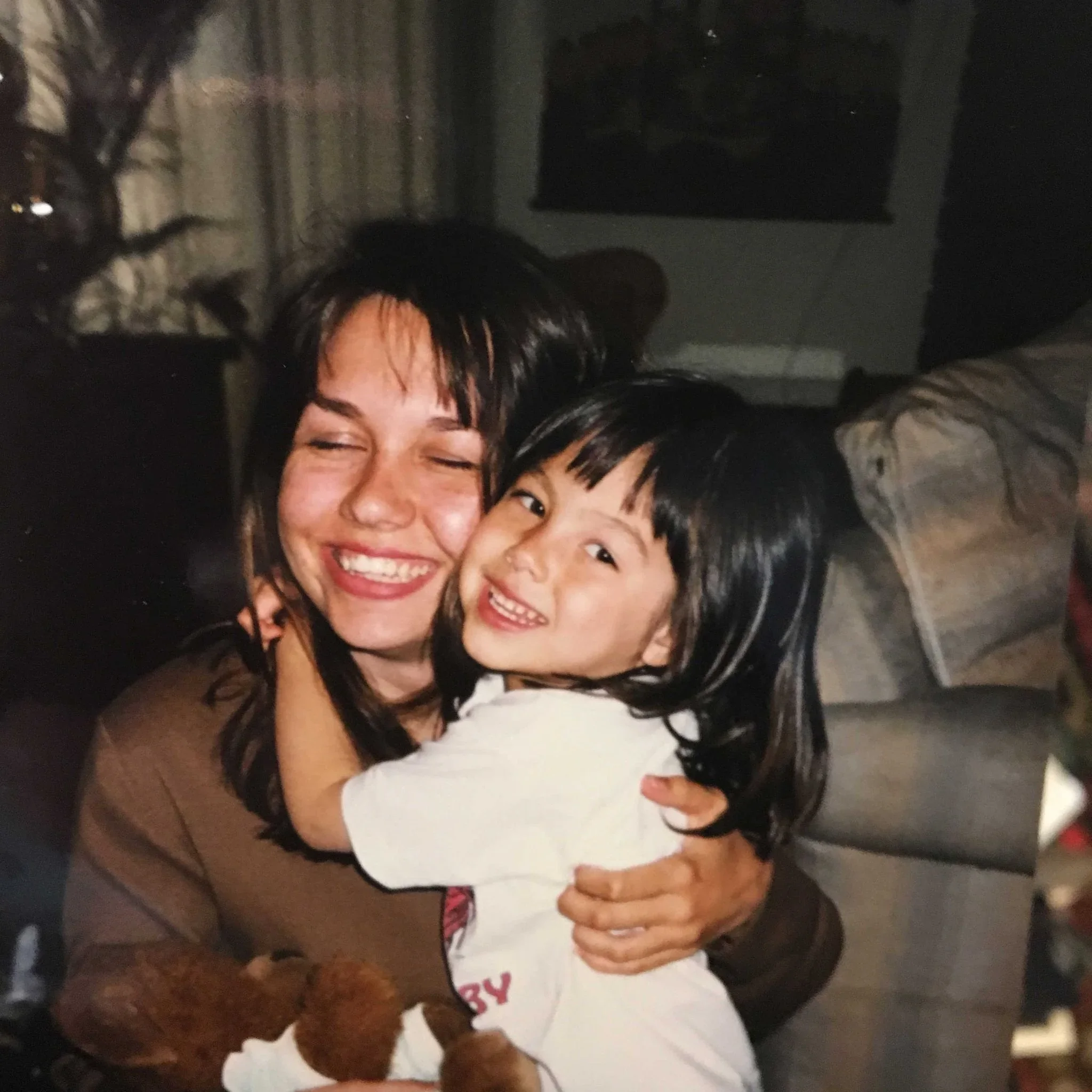
Growing up, my mom and I always used to joke that we should have a podcast called “Nenah's mom answers questions about stuff”
Because I've always been a relentless question asker and she's always been an endless wellspring of advice.
Well, folks - here it is!
A very special interview (in lieu of a podcast, for now)
If you've ever wondered… “how did Nenah get into all this tech and business stuff anyway?” then this conversation should clear all that up. You know how they say the apple doesn't fall far from the tree? Well yes, before I was even born - my mom had already learned multiple languages, had traveled to almost every continent, and was leading technology sales at AT&T for a global audience. And then pretty soon after I was born, she went on to launch xBox with her team at Microsoft - and then worked a variety of tech jobs before finally ending up where she is now - leading national cybersecurity initiatives (and one of the few women out there doing so).
In this interview, I ask her to spill the tea on everything! (with an emphasis on advice for female entrepreneurswho want to forge their own path, put roots to their purpose, and grow the thing they're imagining)
Without further ado…
Nenah: "Hi Mama! Wow, I've wanted to interview you for so long and I'm so grateful to finally have the opportunity. You have lived a pretty amazing life - and you've had quite the career! I really want to learn about your journey, so let's start at the beginning. You studied Anthropology in college, which is 'the systematic study of humanity and human behavior'. After school you traveled with the Peace Corps and lived with tribes in Africa while observing ancestral ways of live, and then taught English in Turkey and Japan, before starting a tech career at AT&T (which is where you met Dad). So I'm curious - how do you define 'corporate anthropology' and how have you applied lessons from your travels into business environments?"
Mama: “I've really milked my Anthropology degree because normally careers in the field would be an academic like professor or researcher. But each industry, and each company within that industry, is a unique society that has characteristics of community - in the same way as ethnicities or nations. In fact I've been doing a form of applied anthropology by launching and deployng technologies. So I help businesses find the right tech match for their company's particular culture and values. I've studied 7 languages and have lived on 6 continents which helps me identify common patterns as I've moved through my career - from Education to Media, and now to Tech. Consulting includes anthropology methods like participant observation, ethnographic/psychographic interviews, learning a company's special language and acronyms, research, and design.”
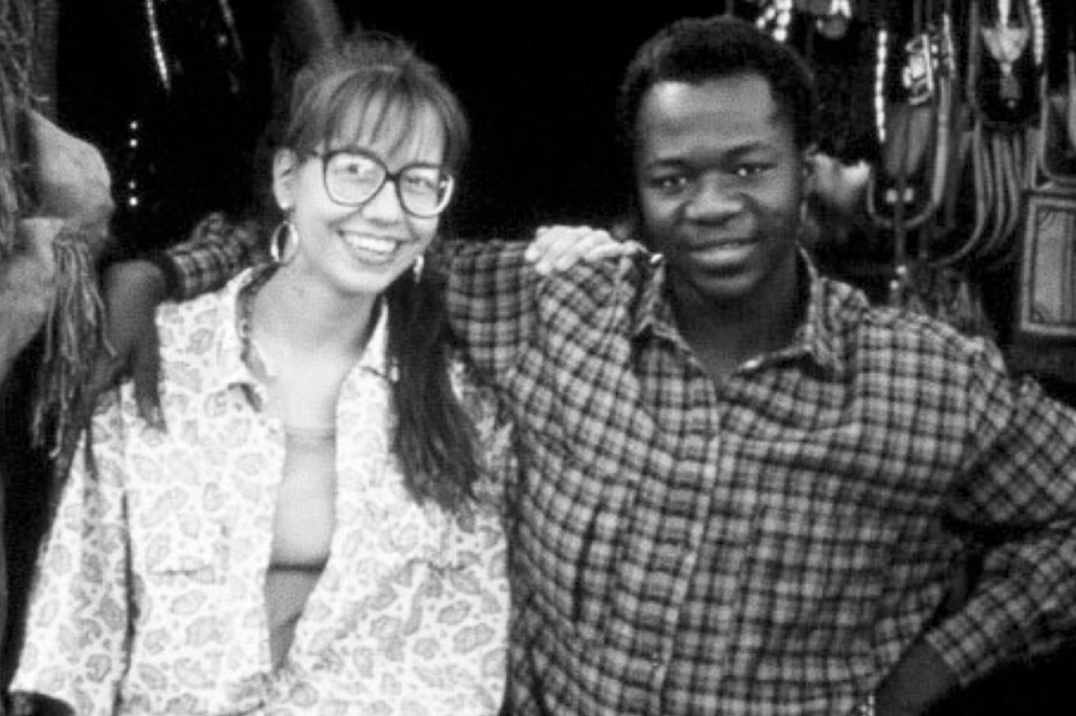
First Photo below: Mom in the Peace Corps
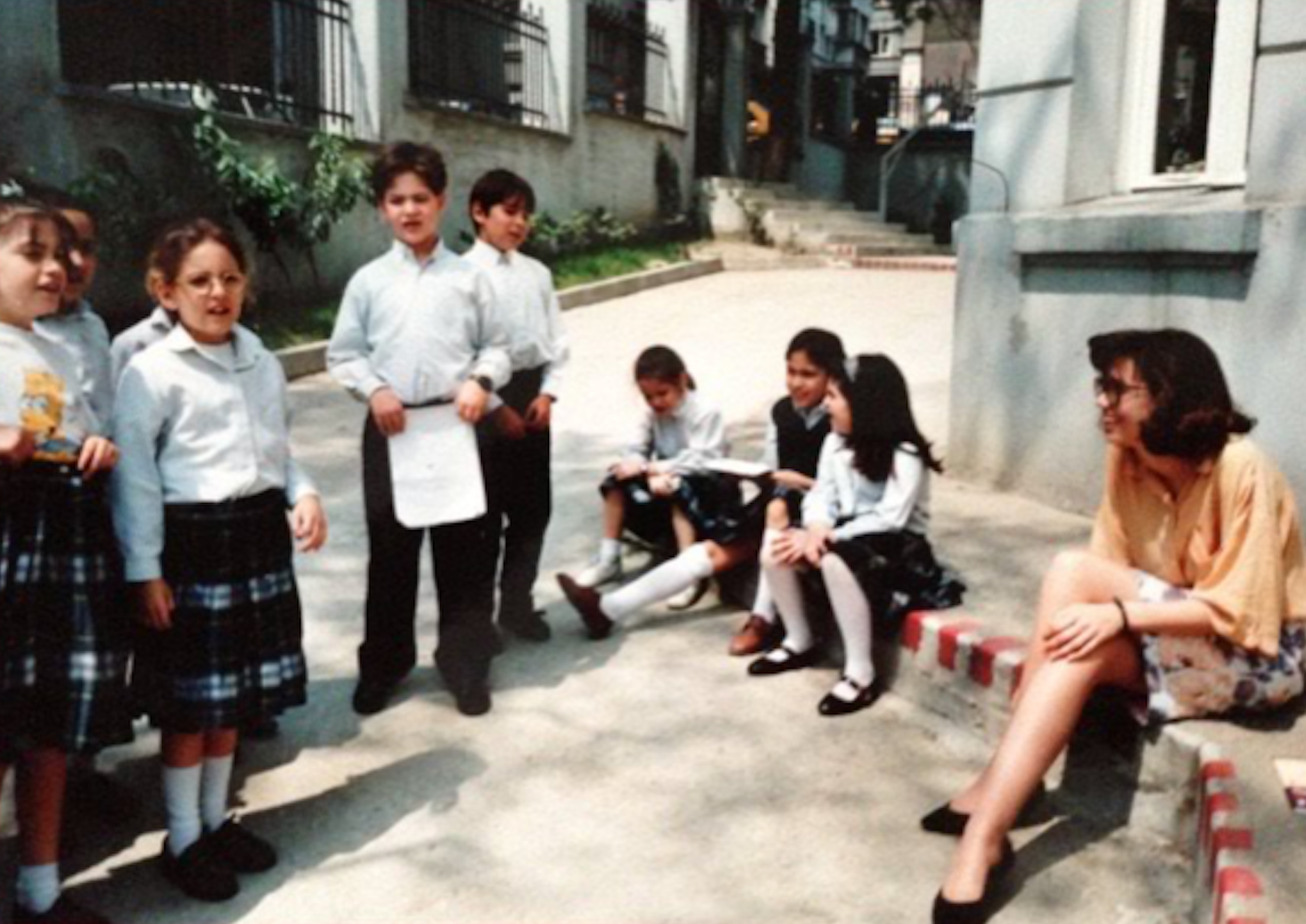
Second Photo below: Mom teaching English in Turkey
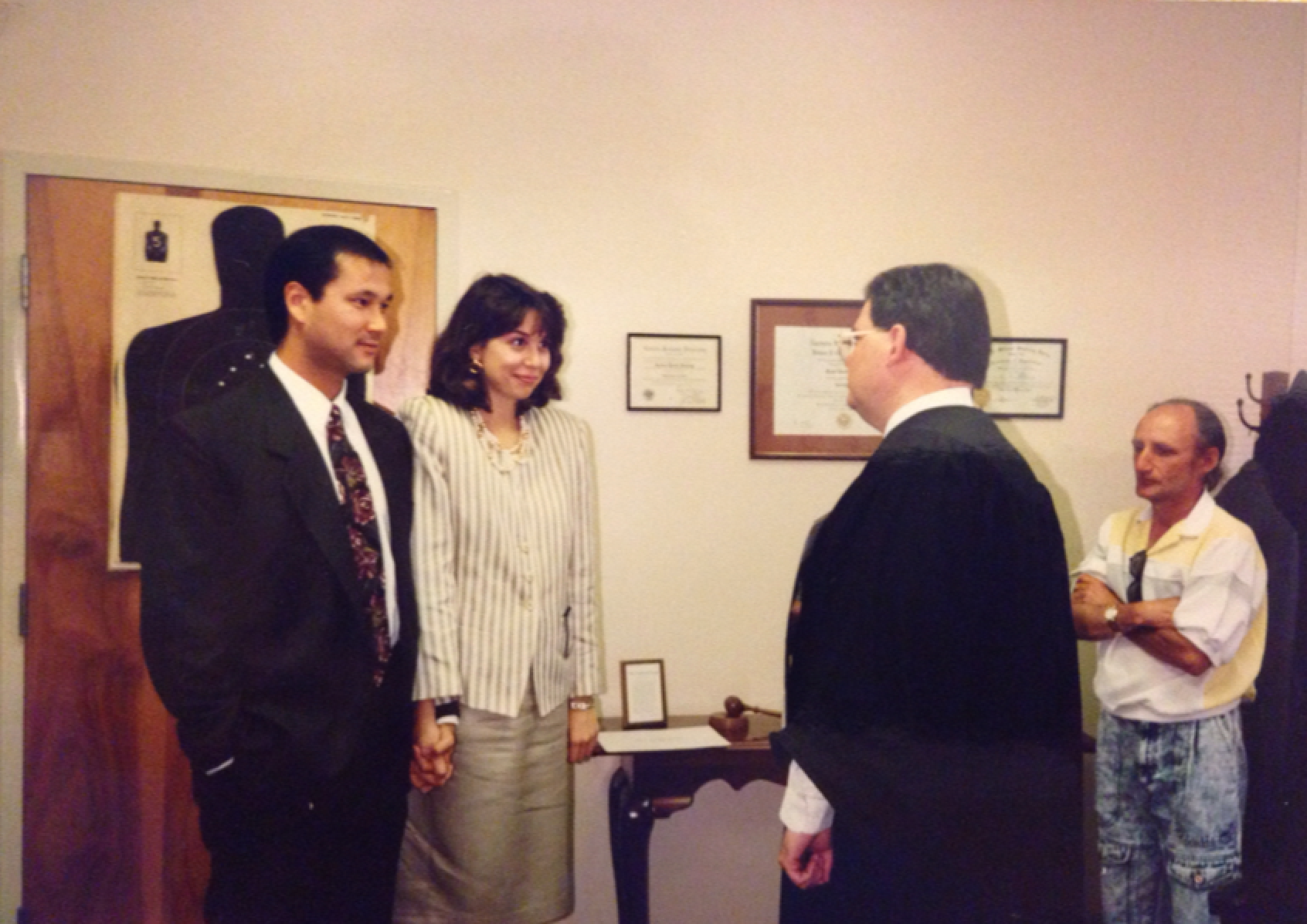
Third Photo below: Actual photo of my mom and dad getting married on their lunch break at AT&T!!!
Nenah:"When I was in elementary school, I remember you asking me, ‘Nenah, should I go work at Microsoft or Yahoo now?’ and I said Microsoft, of course! I mean, Microsoft was doing so many cool things with computers around the turn of the century. So you ended up joining Microsoft's product development team - and then you and your team launched xBox! Wow! I was so young at the time, I seriously didn't understand how cool this was. For women reading this who want to launch their own product one day, what advice can you give them based on your experience at Microsoft?"
Mama: “At the time, Microsoft was making some PC games, and having a console was considered impossible. The box was made by Flextronics (a competitor to Sanmina where I had reported to the CIO), so I knew that business and that there was no way to make a console affordable. The hardware was subsidized or offset by a successful game title because content is king. Gamers bought xBox because of Halo. We then made Halo multiplayer through xBox Live. And the success of that game expanded into the reputation of Microsoft leading in games and buying all the other titles through acquisitions. The thing to understand is this - every good product or service is a solution, and every solution starts with an idea. Have an idea and set your vision, confirm with your audience/customers that it will alleviate their pain. Prioritize your content. Make a go-to-market plan. Get feedback from others. Build advisors and supporters. Work hard and try to be responsive. You can do it. You can take a rest, but never give up entirely.”
Nenah: "When I was in college, you became Chief Strategy Officer of Media & Entertainment for IBM and commissioned me to create a video to explain a new initiative you were launching called IBM BIG (Business Infrastructure for Games). Now, I'm not gonna lie - I used to play video games all the time growing up, but eventually I got older and boring and left video games behind - meanwhile I was watching you literally lead worldwide launches for video game solutions. So I'm wondering - how can aspiring or established female entrepreneurs gamify their products and services to create more satisfying client experiences and increase engagement?"
Mama: “Yes, you learned to roll through life picking up new adventures and experiences like Katamari Damacy. Here’s what I’ll say - A good game is all about engagement. A lot of social media and news keeps people engaged by exploiting outrage or fear. But a good game is all about accomplishment and progress. The best games are about experiencing the overcoming of challenges together with others. To do this, people need to have an objective or purpose because meaning is a motivator. Let the players contribute on a difficulty curve that doesn't make them give up. You want the experience to be replayable and compelling enough. Point systems and other methods of gamification can increase loyalty, retention, and hopefully revenue.”
Nenah: "While you were working at IBM, you got a unique opportunity to work on IBM's Watson project. Many people remember this moment in time, because it was when Watson competed against the world's best Jeopardy Champions and won! You also know that I'm involved in a gathering which aims to preserve ancestral skills, and it's largely a part of my life's work by now. Given your experience with living in tribes at the start of your journey, and with working on the Watson artificial intelligence project later in your journey - do you find yourself in support of continued technological innovation, or do you think we should return back to our roots - culturally speaking?"
Mama: "Let me ask ChatGTP. Just kidding. We humans are always testing the limits of tools to respond to our pains and woes, and that's led to advances in medicine, education, communication and transportation. Every technology is a little baby, and when it grows up it matures with the same problems or weaknesses it was born with that can be exploited. That's why culture and values are so important - to retain a connection between groups that can bring purpose to whatever pain we're in. To solve problems together. Ethnographically, so many groups and everything they knew as true has disappeared or evolved, so at least now we have technology to record the body of human cultures before they go. I think the key is continuing to innovate but to balance it with respect for our roots.”
Photo below: IBM’s Watson wins at Final Jeopardy, a key milestone for artificial intelligence

Fun Fact - did you know I was born during the ‘final Jeopardy’ theme song at 7:24pm?Nenah: "Anyone who knows me knows that I never expected to have a family member in the Navy - and yet, you've recently been hired as Technical Director of Cybersecurity Solutions - which I'm sure is a fascinating experience. How does it feel to now be in charge of securing data and information systems for our whole country, given that your technology career started humbly with a sales position at AT&T? Also, what's your advice for young women who want to pursue careers science and technology?"
Mama: "AT&T was the top sales force in the world according to Time magazine when I was there, and I was one of their top sellers. But I've always thought of myself as a teacher because I started in teaching. So sales was teaching, operations was teaching, consulting was teaching. And cyber security operations is more teaching. I like a balance between learning the new and applying what I've already learned. My advice is to invest in building your skills. Be persistent. Find mentors through networking. One mentor told me life is like juggling balls, and you have to keep the crystal ones in the air while you let the rubber ones bounce. Dropping a ball in tech doesn't mean it's over, because if you stay curious and willing to learn, the tech or science will evolve again and will give way to a new entry level opportunity to join in as a beginner.”
Nenah: "You recently received TS/SCI Clearance (Top Secret / Sensitive Compartmented Information), which is amongst one of the top clearances you can qualify for in high-level positions in the government, military and private sector. I'm so proud of you - you've worked so hard for this! Now, what can you tell us about the extraterrestrials that isn't totally confidential?!"
Mama: "Hmm. There are UAPs. I can neither confirm nor deny if they are earthly, inter-dimensional or extraterrestrial. There are exoplanets in the habitable zone orbiting other stars. The Navy has found life in the most extreme environments on Earth and undersea raising the possibility that life could exist in other extreme conditions of the universe. But human beings are pretty unique, and useful. Some are even beneficial.”
Nenah: "Ok - so this question is relevant to everything we covered so far. But here's what I really wanna know... What does it feel like to always be the only woman in a room full of dudes?"
Mama: "All men matter. SOME CHOOSE TO MATTER TO WOMEN MORE THAN OTHERS, That's how I feel. Being the only woman in the room has it's challenges unless the men in the room value your contributions and extend you camaraderie. It's important for men to learn empathy and educate themselves, and to not be dismissive of disrespect for women. There are also many ways to be under represented in a room, even as a man.”
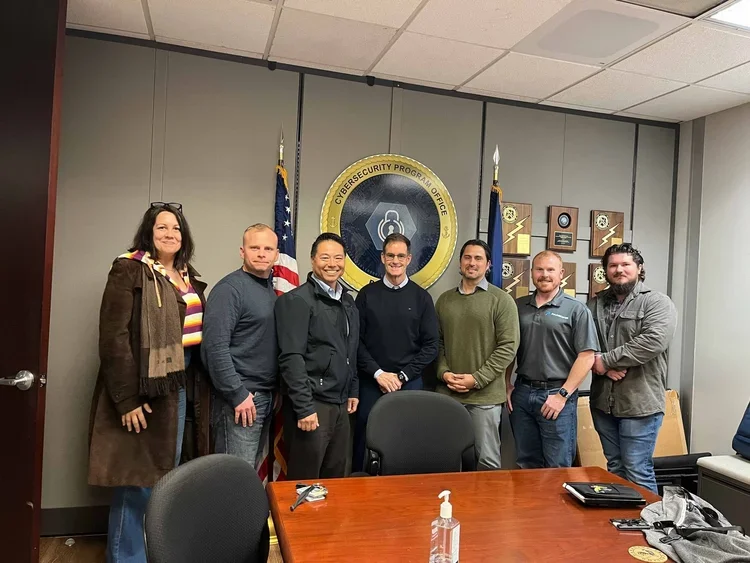
Nenah: "For most of my lifetime, you have owned a 501c3 nonprofit organization that raises awareness around the significant impact men's choices have on women's lives. Since i've understood the importance of this for so long, I have developed a deep respect for men who choose to uplift women around them and I now find that many men in my life tend to be this supportive type. What is your advice to any men reading this regarding how they can support the women around them in their careers?"
Mama: "Including women and minorities can't just be up to women and minorities. Men can choose to be great mentors, advocates, sponsors and professional guides while collaborating and advocating for women's achievements and contributions by awarding and promoting them. Think about this - Women couldn't vote on giving women the right to vote, for example, because men owned that decision at the time. And some men chose to matter to women. Being an ally is an ongoing journey of trust.”
Nenah: "You know how much of my life is centered around women supporting women as well. How can women best support other women in business?"
Mama: "Women supporting women is not obvious in my experience. The higher you go in traditionally male industries, the fewer women there are. And the one woman at the top can't pull all the other women up herself. She can be a role model. (If you can see it, you can be it.) That's why the Forbes list has women who sell to women as the top examples of success. A lot of women feel like they have to adopt male norms and behaviors to conform or be heard. Women sometimes are isolated, and feel anxiety or imposter syndrome and adapt with different coping menchanisms, such as disrespecting or differentiating themselves from other women. So having few women in power leads to comparisons of one woman to another, as if their packaging as a woman dismisses any other relevant individual skills or traits to be compared on. Women can support women by not judging other women, but embracing that eveyone is the sum of their responses to their own challenges in life. Understanding that we control how we choose to respond to adversity is empowering, and responding as a group of connected women, choosing a response to other people's poor behaviors, changes cultures.”
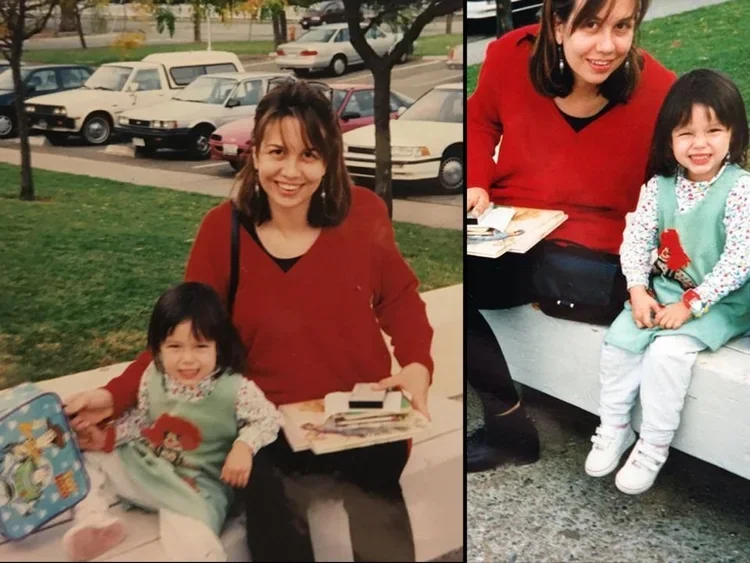

Nenah: "You've always stressed the importance of networking and community building. I remember when I was growing up - you literally made me practice picking up the phone and cold calling people to interview them for no other reason than to make the connection. This technique was super challenging to learn but is also what directly got my high school partner his dream job at Blizzard right out of high school, and is what helped me connect to over 800 LinkedIn followers by the time I was out of college. What would you tell someone who doesn't know how to conduct a cold call?"
Mama: "When I was in my 20's the Silicon Valley newspaper listed their most powerful 100 women. I reached all 100 by researching them, their business, calling where they worked, and asking for their assistant to book 15 minutes to mentor me. 99 agreed. I asked them, "Tell me the story of how you got where you are?". Powerful people often like an opportunity to talk about themselves and tell you how they got where they are. They usually gave me more than 15 minutes, and at the end, I always asked if they recommended any other people who might be good contacts for me. Often they shared them and gave warm landings. Here's my advice - If they don't talk, don't take more than the original 15 minutes. Be natural, confident, respectful, and ask for the next step. Follow up with an email or thank you that lets the person know a story of how they helped you. And connect to them on LinkedIn or their preferred platform. I have over 7000 people I've met or worked with and I pay it forward to them every day as they reach out to me.”
Nenah: "You have such a talent for simplifying really 'big' ideas. One idea I remember most clearly is the idea that there are really only three ways to make money overall: Single-Transactions, Subscriptions, and Sponsorships. Can you elaborate on this model - and how can female entrepreneurs clarify their revenue streams with this framework?"
Mama: "There are only 3 ways to make money. A transaction, like buying a pair of shoes or attending a conference - you own them, you do it once, you're done. For a subscription, where you get ongoing revenue, you have to offer a service that's so valuable people cannot go without like water, electricity, or Tony Robbins books, CDs, monthly newsletters and videos. All the rest are sponsorships including advertising where someone else wants you to sell their transaction or subscription service and will pay you to promote them.”
Nenah: "You've always chosen the corporate path - but you've always watched me be a free spirit. What's your best advice for helping women find a path that is fulfilling but also profitable and sustainable?”
Mama: "Whether you're a man or woman it's important to understand that money is an energy that is used to buy emotional states. You draw the energy into your budget, and you spend it on the four A’s: Autonomy, Authority, Assurance, or Attention/Affection. If you value autonomy, your money goal will be to pay for your freedom to live the way you want to live. Maybe get on your boat, motorcycle, helicopter or RV and leave for adventure. If you value authority, you'll try to get more power over others by having more money than them. We've all met that guy. If you value assurance you'll be trying to be frugal, save money and invest in order to feel safe. And if you crave attention you'll get the love you need by buying the house, car, gifts and things that make others admire you. What's profitable is realizing what is motivating others around you, and that it may cause conflict and emotional stress if your desired outcomes differ. The conflict is never about money, it's about the meaning we assign to the money and our fears of not having that desired ‘state’.”
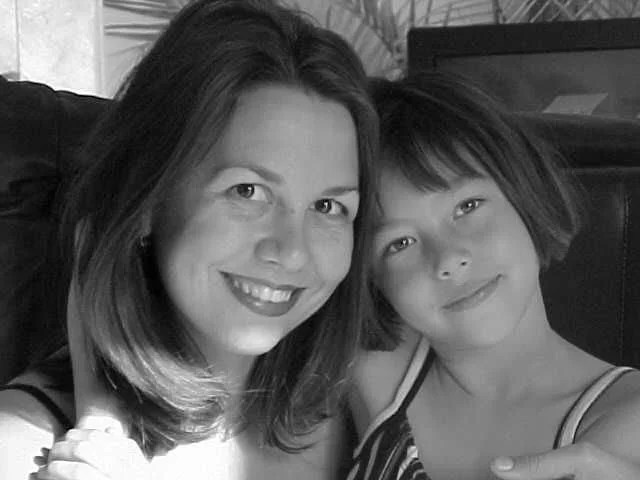
Nenah: "Of course, I'll close with my favorite question, which I've asked you again and again and again - and which I'll continue to ask you again and again and again forever. What is the meaning of life?"
Mama: "The meaning of life is that life has meaning. So therefore the meaning of life is to find life's meaning for you. I'm glad you didn't ask me the meaning of suffering because I would have to go into Epictetus, Aaron Beck, and Viktor Frankel - but what it comes down to is finding purpose to your pain by choosing not to isolate as a result of pain, but to use your pain to find others with similar pain and overcome it together. It's hard to believe but remember, the Divine holds the space and capacity to believe in you, and gives you free will so you can empower yourself with your choices. That's a lot of trust.”
Nenah: “Is there anything else you'd like to add?”
Mama: "Yes. I love you Nenah. I'm thinking it was really good to birth you onto this planet on purpose.”
Other Recommended Reads